
The big problem with Trump’s plans to open the Strait of Hormuz
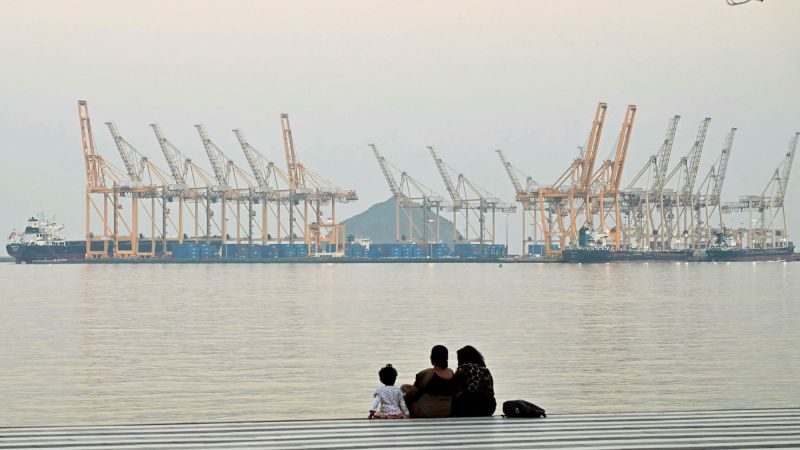
The Major Challenge Facing Trump’s Strategy to Reopen the Strait of Hormuz
Two years ago, Martín Izaguirre Salgado, a seafarer with experience on a liquid petroleum gas tanker, witnessed a harrowing moment when his vessel was struck by missiles in the Red Sea. Fragments of debris fell onto the ship’s deck, a reminder of the persistent dangers in the region. Despite President Donald Trump’s assurances of government-backed insurance and naval protection, Salgado remains hesitant to navigate the Strait of Hormuz, a critical waterway near Iran’s southern coast. The strait, typically bustling with 60 or more tankers daily, saw zero ships pass through on Wednesday, underscoring the current crisis in maritime trade.
Major shipping companies like Maersk and Hapag-Lloyd have suspended most cargo deliveries to Persian Gulf nations following the escalation of tensions. The situation worsened when maritime insurers abruptly revoked war-related coverage, leaving commercial operators wary. With no clear timeline for the naval escort plan, the U.S. administration is focused on securing physical safety for vessels before resuming traffic. “You don’t want to run a large tanker through the strait today,” said a senior official, “but that will change soon.”
Industry Experts Weigh In on the Risk
Gene Seroka, former executive director of the Port of Los Angeles, expressed skepticism about Trump’s promises. “I have no proof those commitments can be fulfilled,” he stated. “After years in the industry, I don’t see how shipping lines would risk their assets for a short-term guarantee.” Seroka emphasized that a ceasefire would be necessary to restore confidence, noting, “There’s no appetite to move cargo into a war zone.”
“These companies want to ensure their vessels are safe because those are very expensive,” said Sanne Manders, President of Flexport. “Putting them at risk for a commercial transaction isn’t worth it.” She highlighted crew safety as the primary concern, adding that physical ships are also under threat despite insurance assurances.
The effective closure of the strait has already disrupted global oil markets, pushing prices past $80. While U.S. officials claim the situation is temporary, the spike in energy costs has reached a peak in Trump’s term. They argue that the world is not at risk of oil shortages, but the short-term economic impact is undeniable. The administration’s recent actions, however, reveal deeper unease than their public rhetoric suggests.
