Gaming PCs will be too expensive for ordinary people by 2028 predicts report

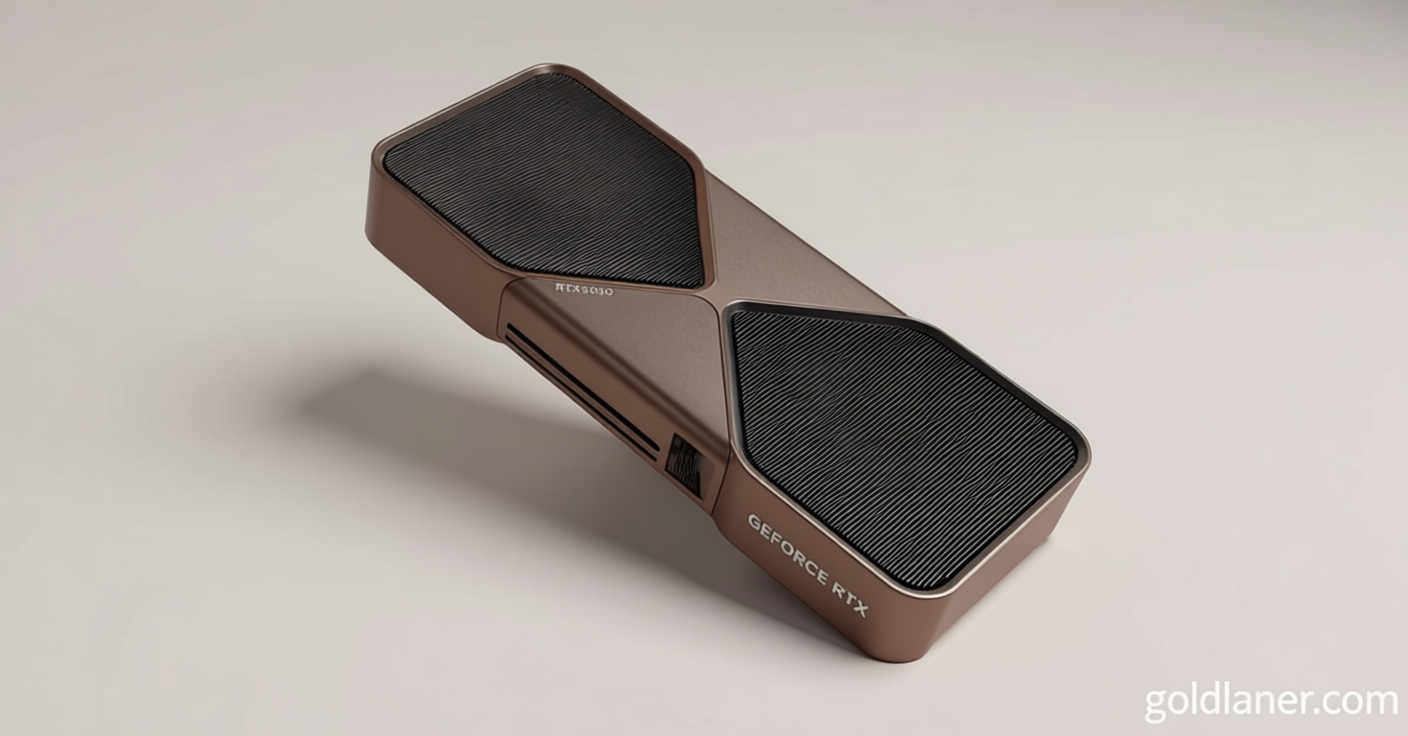
Gaming PCs will be too expensive for ordinary people by 2028 predicts report
A new study suggests the PC gaming market could face significant challenges in the coming years, potentially leading to a sharp decline in accessibility for average consumers. This trend may align with Sony’s recent adjustments to its long-term strategy, as outlined in the report.
Over the past several months, concerns have grown about the future of gaming hardware, driven by a critical shortage of memory components. AI firms, in particular, are aggressively securing RAM and SSD supplies to fuel their expanding data centers, leaving fewer resources for other tech manufacturers and console producers. This scarcity is believed to contribute to potential delays in the development of the PlayStation 6 and next Xbox iteration.
As supply dwindles, prices for remaining components have surged, raising alarms about the affordability of gaming PCs. The report warns that this shortage could persist for up to a decade, intensifying pressure on manufacturers. By 2028, it’s speculated that the average consumer may struggle to purchase even basic PCs, with Gartner forecasting a 23% rise in memory costs this year.
“This rapid increase in costs undermines vendors’ capacity to absorb expenses, rendering low-margin entry-level laptops economically unfeasible. We anticipate the sub-$500 (approximately £375) PC category will vanish by 2028,” stated Ranjit Atwal, a senior director analyst at Gartner.
Experts speculate that the absence of affordable entry-level PCs could prompt manufacturers to prioritize high-end models, a move Microsoft has already hinted at with its upcoming console. Meanwhile, Valve’s Steam Machine, though positioned as a more budget-friendly alternative, is still expected to be priced higher than standard consoles, avoiding losses in its initial release.
With PC upgrades becoming less frequent due to rising costs, the report highlights a fundamental shift in consumer behavior. This trend could also affect smartphone markets, where users might opt to retain older devices or explore refurbished options instead of buying new ones. Gartner estimates that global PC and smartphone shipments will fall by 10.4% and 8.4%, respectively, by year-end, urging vendors to refine their pricing strategies for the first half of 2026.
Sony’s potential decision to halt single-player game PC ports may reflect broader market dynamics, as declining PC sales could weaken the platform’s appeal. The company appears to be shifting focus toward enhancing console exclusives for the PlayStation 5 and 6, aiming to attract players who might otherwise move to PCs.
As the market evolves, the balance between affordability and premium offerings is reshaping the gaming landscape. Whether this will solidify console dominance or drive innovation in high-end PC systems remains to be seen.
This site is protected by reCAPTCHA and the Google Privacy Policy. The Terms of Service apply to your information usage in line with our Privacy Policy.