Stopping weight loss jabs can lead to rapid weight regain in one year, study suggests

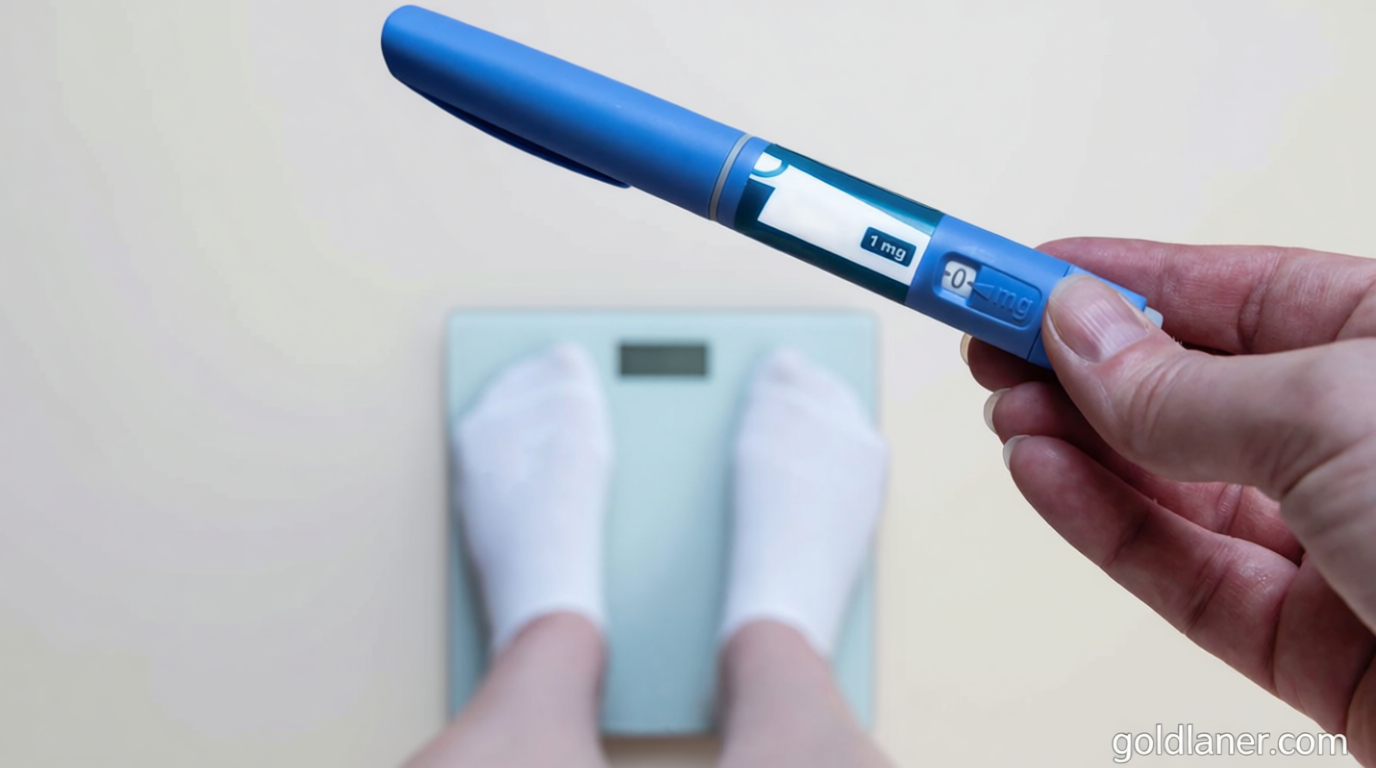
Stopping Weight Loss Jabs May Lead to Rapid Weight Regain Within a Year, Study Suggests
A recent study indicates that individuals using obesity-targeted injections may experience substantial weight recovery within a year after discontinuing treatment. Researchers at the University of Cambridge found that participants who halted their treatment for 52 weeks saw an average of 60% of their lost weight returned.
The researchers cautioned that if the regained weight primarily consists of fat, patients could end up in a less favorable fat-to-lean mass balance than prior to treatment, potentially leading to worse health outcomes. GLP-1 receptor agonists, a category of medications initially designed for managing type 2 diabetes, have been approved for obesity treatment on the NHS, including semaglutide (Wegovy) and tirzepatide (Mounjaro).
Further research suggests these injectable treatments might also help prevent and address addictions to substances like alcohol, cigarettes, cannabis, cocaine, nicotine, and opioids, based on a study of over 600,000 US veterans with type 2 diabetes. Experts note that the drugs’ influence on the brain’s reward system diminishes cravings, showing effectiveness in both preventing substance misuse in non-addicted individuals and reducing overdoses and emergency department visits in those already dependent.
The Cambridge research, which pooled data from six trials involving more than 3,200 participants, revealed that “significant weight regain occurs after stopping the medication.” However, the weight regain trend appears to stabilize, with 75% of the initial weight loss regained by the 60-week mark, suggesting 25% could be maintained long-term.
“Our projections show that even though people regain most of the weight they have lost, they still maintain some of the weight loss, but what we currently don’t know is if the same proportion of lean mass is recovered,” said Brajan Budini, a medical student at the School of Clinical Medicine and Trinity College, University of Cambridge.
The researchers called for further trials to explore how the jabs affect the composition of weight loss during and after treatment. A separate U.S. study monitored veterans for up to three years and found those with no history of substance abuse had an overall 14% reduced risk of substance use disorders (SUDs) after starting the weight loss jabs. The findings, published in the British Medical Journal (BMJ), also included a reduced risk of problems with alcohol (18%), cannabis (14%), cocaine (20%), nicotine (20%), and opioids (25%) in those veterans on GLP-1s compared to people on other diabetes drugs.
Among those with an existing substance use disorder, starting the jabs was linked to a 31% lower risk of SUD-related emergency department visits, hospital admissions, and mortality, as well as drug overdoses and suicidal behaviors. While the U.S. study primarily focused on older men, comparable outcomes were observed in women as well.