
Iran war: Why is Russia not coming to Tehran’s aid?
Iran War: Why Is Russia Not Coming to Tehran’s Aid?
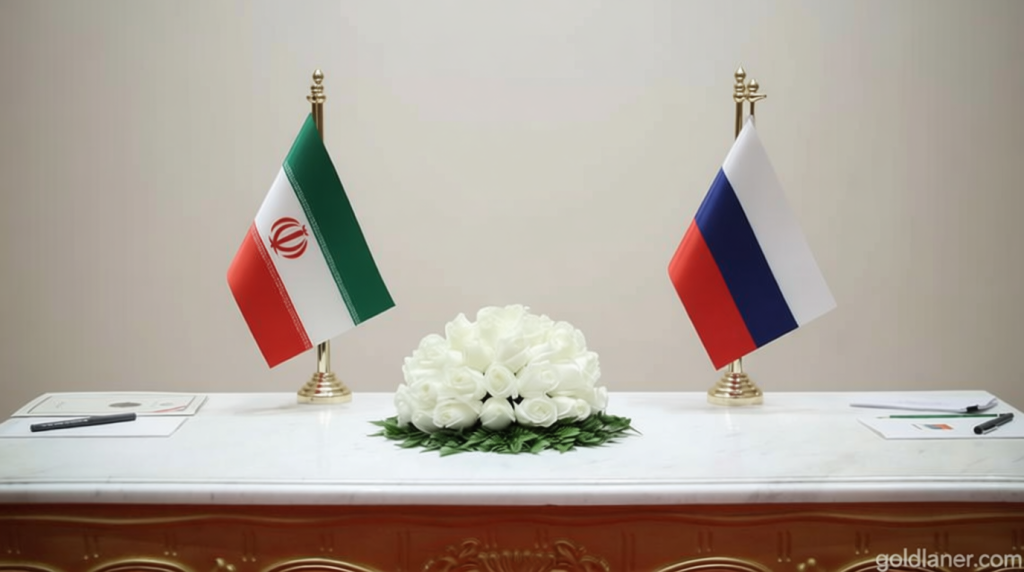
Amid escalating US-Israeli attacks on Tehran, Iran’s government has pinned its hopes on Moscow’s backing, despite having limited global allies. However, the Russian response has been notably measured, with the country’s UN representative, Vassily Nebenzia, labeling the strikes as “an unprovoked act of armed aggression against a sovereign and independent UN member state.” This has left Tehran disappointed, as Moscow is one of its few steadfast allies. A shift in Russia’s stance could have major implications for Iran’s stability, given the mutual reliance between the two nations.
Economic Ties and Strategic Interests
Russia and Iran have been collaborating on critical infrastructure projects, including the North-South transport corridor. This 7,200-kilometer multi-mode route, signed in 2000 and passing through Azerbaijan, has been vital for Russia as it seeks alternative transit routes following the 2022 invasion of Ukraine. According to the Gulf Research Center, 75% of the initiative has been completed. While the project remains a cornerstone of their economic partnership, it hasn’t prompted immediate Russian military intervention in Iran’s current crisis.
“The partnership between Russia and Iran is driven by pragmatism rather than shared ideology, as Russian leaders have long harbored reservations about Tehran,” said Nikita Smagin, an Azerbaijan-based expert. He highlighted that both nations face international sanctions, unlike Turkey or Egypt, which might halt trade with Russia under Western pressure.
Military Contributions and Deterrence
Russia has also benefited from Iran’s military support, particularly through the provision of Shahed drones since 2023. Julian Waller, a researcher at the Center for Naval Analyses, explained that these drones have “significantly transformed the Ukraine conflict,” even as Russia has since developed its own indigenous designs. Intelligence sharing and arms transfers further underscore the strategic relationship, yet this has not translated into active defense for Iran.
“Tehran has become Moscow’s mentor in navigating sanctions, offering insights on how to bypass restrictions,” noted Gregoire Roos of Chatham House. However, experts like Mojtaba Hashemi argue that Russia’s aid has been limited to “tangible political and military support,” including weapons and repression tools, but not a clear deterrent against Western allies.
Unanticipated Shifts and Diplomatic Calculations
Mohammad Ghaedi, a George Washington University lecturer, pointed out that Iranian leaders anticipated Russia’s hesitancy. “Skepticism about Moscow has long existed in Tehran,” he said, citing former president Mahmoud Ahmadinejad’s claim that “Russia has always sold out the Iranian nation.” President Masoud Pezeshkian’s remarks after the June 2025 12-day war also reflected this sentiment, noting that “countries we considered allies did not help us during the conflict.”
Analysts suggest that Russia’s decision to avoid direct involvement stems from its broader geopolitical priorities. While a prolonged war in Iran could reduce media focus on Ukraine and ease pressure on Washington, the Kremlin may still prefer to maintain its current balance, rather than risk further entanglements. As the situation unfolds, the question remains: how far will Moscow go to protect its strategic interests in the region?
