
Exposed: The dirty campaign to paint Muslim MPs as anti-British
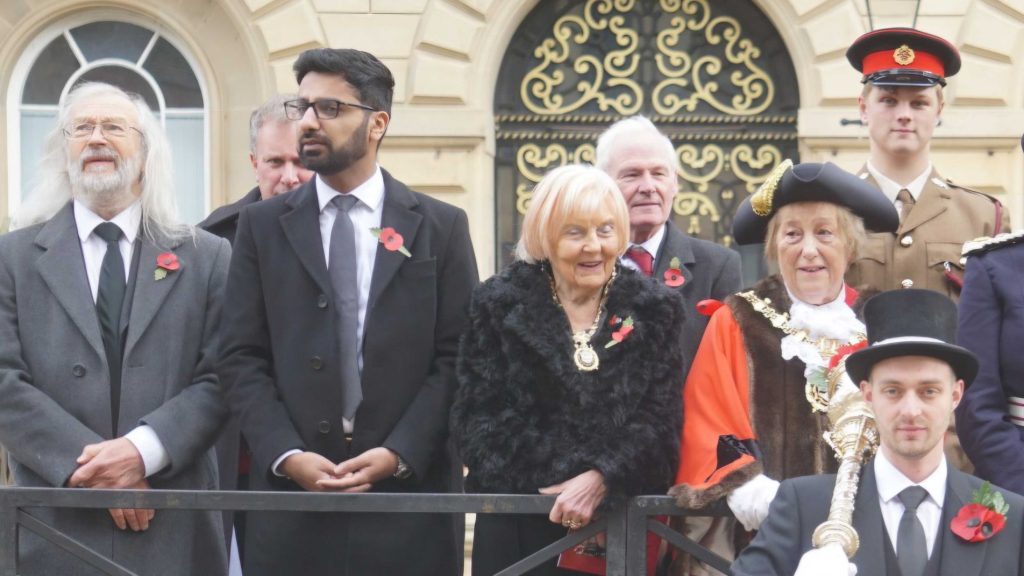
Exposed: The dirty campaign to paint Muslim MPs as anti-British
Political language often undergoes shifts where certain terms unexpectedly gain traction. One notable instance involved the term “weapons of mass destruction,” which surged in popularity during early 2003. This pseudo-scientific formulation resonated with the public, bolstering the narratives of George W. Bush and Tony Blair, which provided a veneer of justification for the Iraq invasion.
Following the invasion, the truth emerged that no such weapons existed. The term was strategically used to lend false legitimacy to an unprovoked conflict. It underscores the importance of examining when a new word enters public discourse, questioning its origin, intent, and whether it truly reflects its claimed meaning.
Rebranding the term ‘sectarian’
The Oxford English Dictionary defines sectarianism as “narrow-minded adherence to a particular sect (political, ethnic, or religious), often leading to conflict with those of differing beliefs.” Synonyms include “bigot,” “separatist,” “extremist,” “narrow-minded,” “fanatic,” and “intolerant.”
Historically, the term was applied to opposing groups in Northern Ireland. However, over the past 18 months, it has been repurposed to fuel a critical narrative about Islam in Britain. Now, it serves as a tool to categorize Muslim politicians as separatist, illegitimate, and a threat to national unity.
Hansard records the first parliamentary use of the term in July 2024, when Tory peer Lord Godson spoke during the King’s Speech debate.
“Too many candidates in this month’s general election have sought to ride this sectarian tiger,”
he cautioned, signaling the term’s new role in political rhetoric.
Tory politicians swiftly adopted this framing. Within weeks, Robert Jenrick, a contender in the Tory leadership race,
“attacked sectarian gangs who have been causing disruption, violence and intimidation,”
while his rival, Kemi Badenoch, condemned MPs elected on the basis of “sectarian Islamist politics” as “alien ideas with no place in our system.”
Farage, leader of Reform UK, has consistently condemned “sectarian politics,” warning against Islamic figures seeking to “push and push and push” to supplant Britain’s established culture. Journalists have echoed this sentiment, with Douglas Murray stating in a recent
“Enoch Powell had understated our current problems.”
Murray argued that if Powell had predicted “by the 2020s, significant numbers of Birmingham voters would vote in a Pakistani-born Muslim” on sectarian lines, he would “most likely have been deemed certifiable.”
Similarly, Jenrick later claimed
“the House of Commons is being despoiled by these sectarian MPs,”
while Nigel Farage reiterated concerns about “those of the Islamic faith” who “want to push and push and push” to overtake existing cultural norms. The campaign has painted Muslim MPs as bigoted, extremist, and anti-British, framing their participation as a destabilizing force rather than a legitimate expression of democratic values.
