The Greens’ Gorton and Denton by-election win was about inclusion — not sectarianism

The Greens’ Gorton and Denton by-election win was about inclusion — not sectarianism
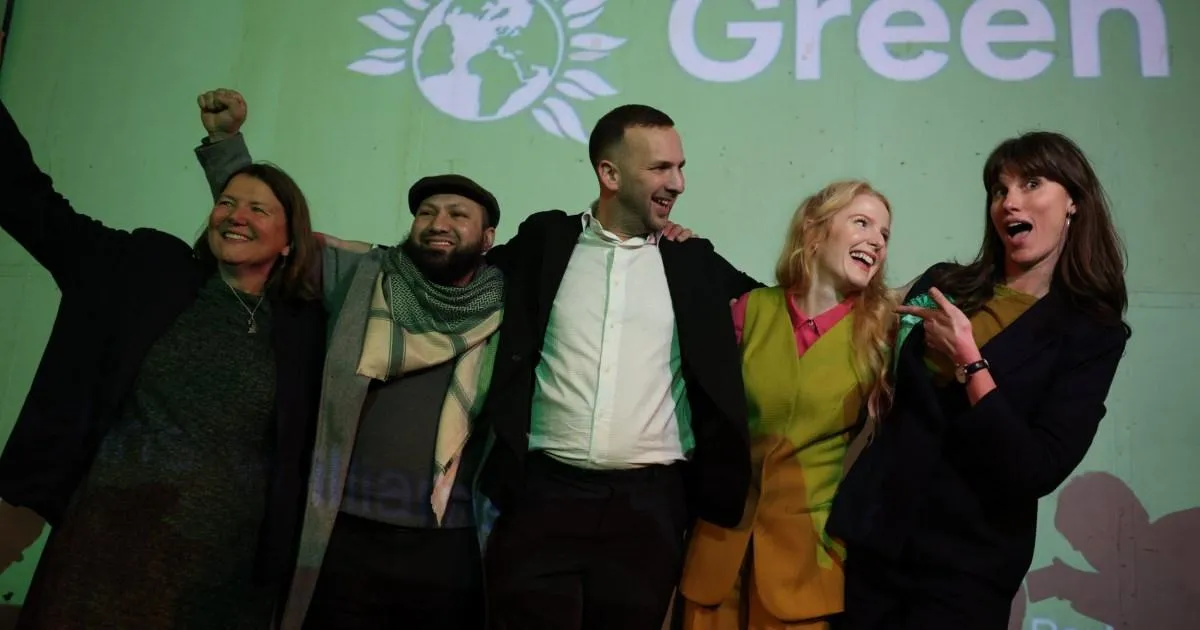
Last night marked a historic moment for the Green Party, as they secured their first parliamentary by-election victory in Gorton and Denton. The result was more than just a political shift—it overturned a Labour majority that had stood for over 13,000 votes, signaling a broader change in how people engage with politics.
For many, the win felt like a long-awaited triumph. Not only did it bring a Green MP to the North of England for the first time, but it also demonstrated a new political vision—one rooted in unity rather than division. The campaign’s success hinged on its ability to connect with voters on a personal level, offering hope in a landscape often defined by polarization.
A key factor in this victory was the campaign’s approach to language and identity. In a country where political discourse has traditionally been dominated by a narrow, Westminster-centric English, the Greens chose to speak directly to communities where people grow up with Urdu, Bangla, Arabic, or other languages at home. This decision wasn’t just about accessibility; it was about ensuring every voice was heard.
“In a democracy, language should never be a barrier to participation; it should be a bridge.”
While opponents like Reform’s Matt Goodwin dismissed the multilingual efforts as a divisive tactic, the Greens’ strategy aimed to build trust. Campaign materials were translated into multiple languages, including a viral Urdu video that highlighted their commitment to inclusivity. This wasn’t a superficial move—it was a genuine attempt to reflect the lived realities of those who might feel excluded from mainstream politics.
Looking beyond the UK, similar approaches have proven successful. Zohran Mamdani’s campaigns in New York, which featured Arabic, Spanish, and Urdu content, helped bridge gaps in communities often overlooked by traditional political messaging. His victory, celebrated by Labour supporters, shows that language is a tool for connection, not exclusion.
The Greens’ campaign in Gorton and Denton was clear: they wanted to represent everyone, regardless of background or spoken language. With a 26.5% swing towards them, this win isn’t just about numbers. It’s about proving that inclusive politics can thrive, making people feel their voices matter in a way that’s authentic and respected.