
Slow genocide: Death and displacement continue in Gaza months into ceasefire
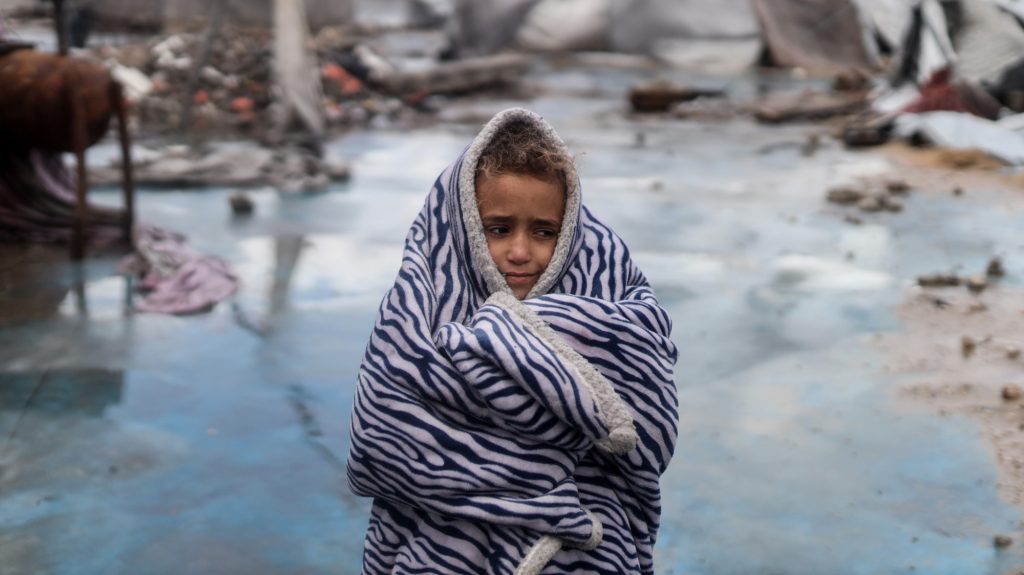
Persistent Suffering: Gaza’s Ceasefire Fails to Halt Death and Displacement
The prolonged conflict has brought a temporary halt to most aerial assaults, yet the silent erosion of health continues to afflict Najat Sayed al-Hessi. A 61-year-old resident of Gaza, she has endured two years without access to her monthly cancer treatments, her body steadily succumbing to the disease.
“Nothing has changed for cancer patients in Gaza since the ceasefire,” she told Middle East Eye, as the illness progresses without intervention.
Al-Hessi shared her struggle from a makeshift shelter in Deir al-Balah, recounting her missed opportunity to seek care on October 7, 2023—the day hostilities began. “I had an appointment to travel to Ramallah for my medication and injection, but I couldn’t go that day,” she explained. “I have been waiting ever since.”
Since the conflict erupted, medical exits from Gaza have ceased, leaving hospitals unable to deliver even basic care for cancer patients. This has compounded the crisis, with al-Hessi’s condition worsening as she remains without treatment.
Her experience mirrors the broader plight of Gaza’s population, now nearly two million, who persist in dire conditions three months after the ceasefire. Despite hopes for respite, the situation has shifted to a more insidious form of suffering, with Israeli restrictions on goods and aid continuing to stifle recovery.
The Palestinian health ministry confirmed that Israeli restrictions have led to critical shortages across the medical sector. As of November, 56 percent of essential drugs, 68 percent of consumables, and 67 percent of laboratory supplies were unavailable. Screening services, once a lifeline, have all but vanished, leaving patients unaware of their disease’s progression.
“The last time I saw a doctor, he told me the cancer may have reached my lungs. I am dying slowly,” al-Hessi said.
Dr. Muhammad Abunada, head of Gaza’s Cancer Centre, noted a 70 percent deficit in cancer medications and painkillers. “The drugs we have are often insufficient, as patients require multiple types to manage their condition,” he explained. “This makes the available treatments largely ineffective.”
According to him, mortality rates for cancer patients have surged, with two to three deaths per day now reported—a stark contrast to the pre-war average of one. “Thousands need evacuation to receive care abroad, but their access remains blocked,” he added.
Research underscores that the crisis extends beyond cancer. Unicef data reveals a 75 percent spike in newborn deaths during the final three months of the war. Between July and September, 47 infants died each month, nearly double the 27 recorded in 2022. These figures highlight the ongoing threats, as Israeli bombardments and land seizures continue to claim lives daily.
While fighting has eased, the shadow of conflict lingers. Families remain vulnerable to displacement, their homes seized by Israeli incursions. The ceasefire has not eradicated the suffering, but rather transformed it into a slower, persistent form of devastation.
