
Tech Solutions for Home Automation: Smart Living Made Easy
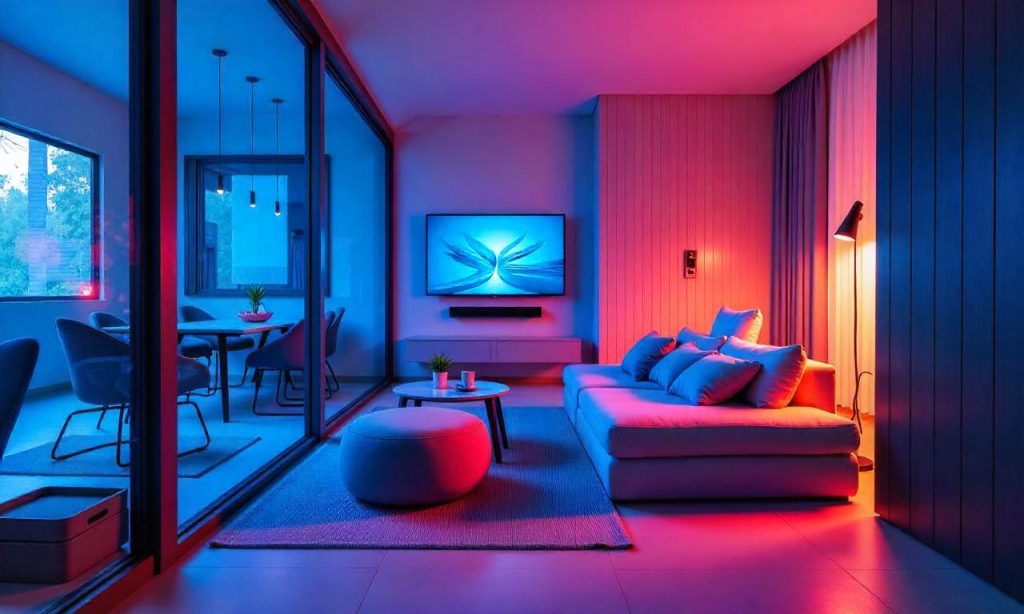
In today’s fast-paced world, the integration of tech solutions for home automation has revolutionized the way we live. Smart homes are no longer a futuristic dream but a practical reality, offering convenience, security, and efficiency to modern households. From smart thermostats to voice-activated assistants, these innovations are transforming everyday tasks into seamless, automated processes. As technology continues to evolve, the appeal of tech solutions for home automation grows, making it easier for homeowners to manage their living spaces with minimal effort. Whether you’re looking to save energy, enhance security, or simply streamline your daily routine, the possibilities are endless.
The Rise of Smart Homes
The concept of home automation has gained significant traction in recent years, driven by advancements in artificial intelligence, internet connectivity, and IoT (Internet of Things) devices. According to a report by Grand View Research, the global smart home market is projected to reach $175 billion by 2027, highlighting the widespread adoption of tech solutions for home automation. This growth is fueled by the desire for convenience, energy efficiency, and security, which are now achievable through interconnected systems that can be controlled remotely.
Home automation systems allow users to manage various aspects of their living environment, such as lighting, heating, and security, using a single platform. For instance, a smart home hub acts as the central control system, connecting different devices and enabling them to communicate with one another. This integration not only simplifies user interaction but also optimizes performance. By leveraging tech solutions for home automation, homeowners can reduce manual tasks, minimize energy waste, and improve overall comfort.
How Tech Solutions Enhance Convenience
One of the most significant benefits of tech solutions for home automation is the ability to automate repetitive tasks. Imagine waking up to a smart thermostat adjusting the room temperature to your preferred setting or a voice-activated assistant turning on the lights as you enter a room. These features bold italic eliminate the need for constant human intervention, freeing up time and effort.
Moreover, smart home apps provide users with real-time control over their devices. For example, a homeowner can use a smartphone app to monitor security cameras, adjust lighting, or even lock doors from anywhere. This level of accessibility is made possible by tech solutions for home automation, which prioritize user-friendly interfaces and seamless connectivity.
Energy Efficiency and Cost Savings
Tech solutions for home automation are also a game-changer for energy efficiency. Smart thermostats, such as Nest or Ecobee, learn your habits and adjust heating and cooling systems accordingly, potentially reducing energy bills by up to 20%. Similarly, smart lighting systems can automatically turn off lights when no one is in the room, preventing unnecessary power consumption.
The integration of solar-powered devices and energy monitoring systems further enhances sustainability. These tools help homeowners track their energy usage and make informed decisions about consumption. By adopting tech solutions for home automation, individuals can significantly reduce their carbon footprint while enjoying long-term financial benefits.
Key Components of Home Automation Systems
A well-designed tech solutions for home automation system relies on several core components working in harmony. These include smart devices, network infrastructure, software platforms, and user interfaces. Each element plays a critical role in ensuring the system functions smoothly and efficiently.
Smart Devices: The Building Blocks
Smart devices are the foundation of tech solutions for home automation. These include smart speakers, smart locks, connected appliances, and sensors. For example, a smart speaker like Amazon Alexa or Google Assistant can control multiple devices through voice commands, creating a unified experience. Smart locks allow for remote access and scheduling, while connected appliances such as smart refrigerators or ovens provide real-time updates and automation.
The versatility of these devices makes them suitable for different home automation needs. Whether you’re looking to automate lighting or manage your security system, the availability of tech solutions for home automation ensures that there’s an option for every requirement.
Network Infrastructure: The Backbone
A robust network infrastructure is essential for the seamless operation of tech solutions for home automation. This includes Wi-Fi routers, Ethernet cables, and mesh networks that ensure stable connectivity for all devices. Without a reliable network, the automation system may experience delays or failures, which can disrupt the user experience. Smart hubs often rely on Zigbee or Z-Wave protocols, which offer low-energy consumption and long-range communication. These protocols enable devices to work together even if they’re not directly connected to the main router. As homes become more connected, the importance of a strong network infrastructure in tech solutions for home automation cannot be overstated.
Software Platforms: The Control Center
Software platforms act as the control center for tech solutions for home automation, allowing users to customize settings, create automation routines, and monitor their system’s performance. Many platforms offer AI-driven insights, which analyze data to improve efficiency. For example, a smart home app might suggest optimal energy usage based on historical data.
The integration of cloud-based services and mobile apps ensures that users can access their system from anywhere. This flexibility is a hallmark of modern tech solutions for home automation, making it possible to manage your home even when you’re away.
User Interfaces: Simplifying Interaction
User interfaces are crucial for making tech solutions for home automation accessible to all. A well-designed interface ensures that users can interact with their system intuitively, whether through touchscreens, voice commands, or mobile apps.
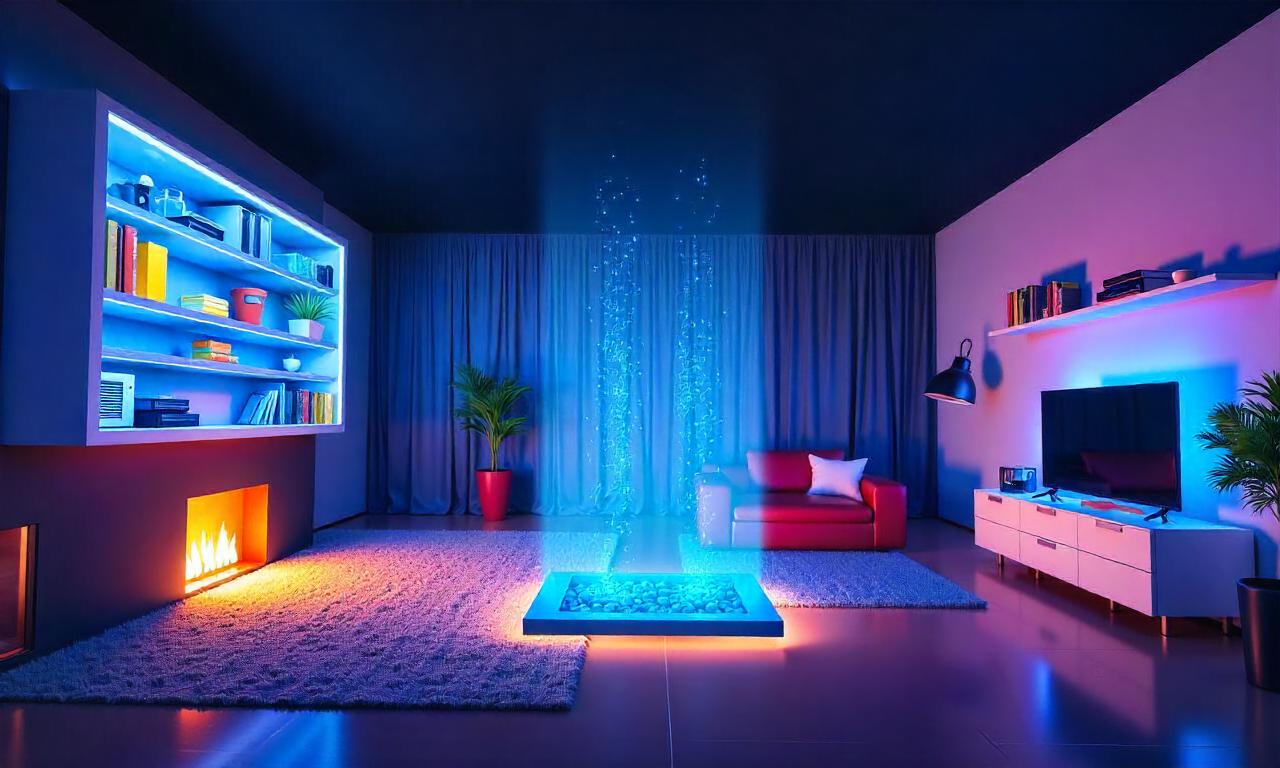
For instance, voice-activated assistants provide a hands-free way to control devices, while smart displays offer visual feedback and customization options. These interfaces are tailored to different user preferences, ensuring that tech solutions for home automation are inclusive and user-friendly.
The Impact of Tech Solutions on Home Security
Home security is one of the most critical areas where tech solutions for home automation have made a transformative impact. Traditional security systems are often limited in their functionality, but modern tech solutions for home automation offer advanced features that enhance safety and peace of mind.
Smart Security Systems: A New Era
Smart security systems are now more sophisticated than ever, incorporating AI-powered cameras, motion sensors, and doorbell cameras. These devices can detect unusual activity, send alerts to your phone, and even recognize faces or license plates. For example, a smart camera with AI capabilities can distinguish between a family member and an intruder, reducing false alarms. Tech solutions for home automation also include smart locks that can be controlled remotely. These locks offer features like temporary access codes, auto-locking, and real-time notifications. By integrating smart locks with other devices, homeowners can create a comprehensive security system that adapts to their needs.
Real-Time Monitoring and Alerts
The ability to monitor your home in real-time is a key advantage of tech solutions for home automation. With smart sensors, you can receive instant alerts about events like water leaks, gas detection, or door openings. These alerts help prevent disasters before they escalate, ensuring the safety of your property and loved ones. Smart doorbells with video capabilities allow you to see who is at your door without leaving your house. This feature is especially useful for tech solutions for home automation that prioritize convenience and security.
Integration with Emergency Services
Some tech solutions for home automation systems can integrate with emergency services, providing an added layer of protection. For instance, if a motion sensor detects an intrusion, the system can automatically contact the police or send a distress signal. This level of integration makes tech solutions for home automation not just convenient but also life-saving.
Future Trends in Tech Solutions for Home Automation
As technology continues to advance, the future of tech solutions for home automation looks promising. Emerging trends such as AI integration, machine learning, and voice recognition are set to redefine the smart home experience.
AI and Machine Learning: The Next Frontier
Artificial intelligence and machine learning are poised to play a significant role in tech solutions for home automation. These technologies enable devices to learn from user behavior and adapt accordingly. For example, a smart thermostat can predict your temperature preferences based on your schedule, ensuring optimal comfort without manual adjustments. AI-powered assistants are also becoming more advanced, offering features like predictive scheduling and automated task execution. This evolution of tech solutions for home automation is making homes smarter, more responsive, and more intuitive.
Voice Recognition and Natural Language Processing
Voice recognition technology is another area where tech solutions for home automation are making strides. Modern voice-activated assistants can now understand and respond to natural language commands, making interactions more fluid.
For instance, instead of saying “Hey Google, turn on the lights,” users can simply say, “Hey Google, it’s getting dark, I need light.” This advancement in tech solutions for home automation is enhancing user experience and making smart homes more accessible.
Wireless and Low-Power Technologies
Wireless technologies like Wi-Fi 6, Bluetooth Low Energy (BLE), and Zigbee 3.0 are improving the efficiency and range of tech solutions for home automation. These technologies reduce power consumption and enable smoother communication between devices. Low-power sensors and energy-efficient devices are also becoming more common, ensuring that tech solutions for home automation systems can operate for extended periods without frequent recharging. This trend is crucial for the sustainability of smart homes.
The Role of 5G in Connectivity
The rollout of 5G networks is expected to further enhance the performance of tech solutions for home automation. With faster data transfer speeds and lower latency, 5G-enabled devices can communicate more efficiently, enabling real-time adjustments and seamless integration.
This advancement will allow for more complex automation routines, such as predictive maintenance or real-time energy monitoring, which were previously limited by slower network connections. As tech solutions for home automation evolve, they will become even more reliable and efficient.
Conclusion
The integration of tech solutions for home automation has transformed the way we interact with our living spaces, offering unprecedented convenience, security, and efficiency. From smart thermostats to AI-driven security systems, these innovations are making smart living accessible to a broader audience. As technology continues to advance, the potential of tech solutions for home automation will only grow, paving the way for more intelligent and responsive homes. Whether you’re a tech enthusiast or a first-time user, adopting these solutions can significantly enhance your quality of life. By embracing tech solutions for home automation, you’re not just upgrading your home—you’re future-proofing it.
