
Innovative Tech Solutions for Home Automation Systems
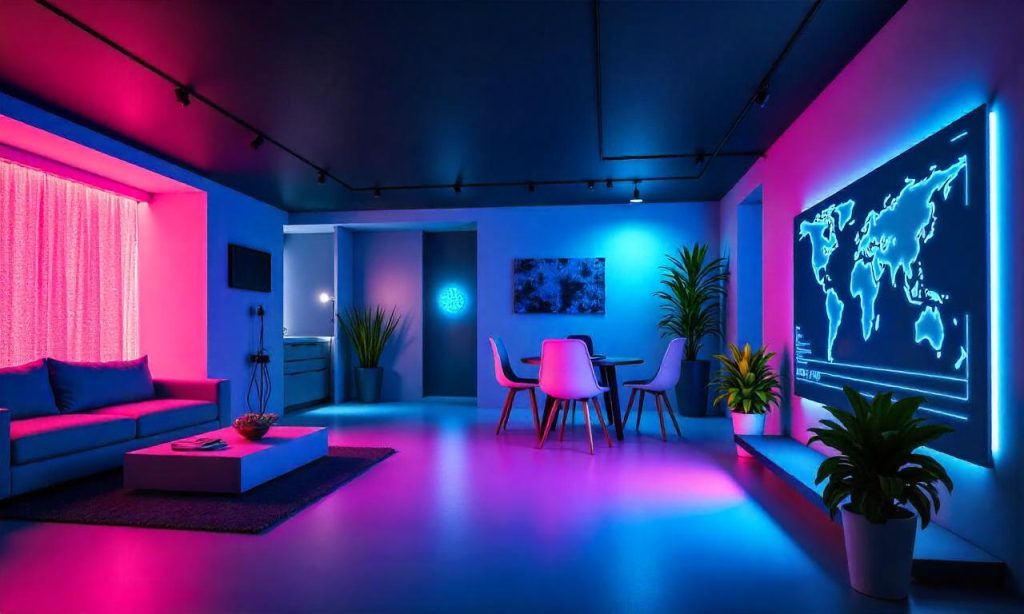
In the modern era, home automation has become a transformative force in how we interact with our living spaces. As technology continues to evolve, tech solutions for home automation are not only making homes smarter but also more efficient, secure, and customizable. From smart thermostats to AI-powered voice assistants, these innovations are redefining convenience and comfort. Whether you’re a tech enthusiast or a homeowner seeking to simplify daily tasks, understanding the latest tech solutions for home automation can help you create a seamless, connected environment. This article explores the key features, benefits, and future potential of tech solutions for home automation, offering insights into how they are shaping the way we live.
Key Features of Tech Solutions for Home Automation
Smart Connectivity: The Backbone of Modern Systems
One of the defining characteristics of tech solutions for home automation is their ability to connect devices seamlessly. The rise of the Internet of Things (IoT) has enabled homeowners to link various systems—such as lighting, heating, security, and entertainment—into a unified network. This smart connectivity allows for centralized control through a single interface, such as a smartphone app or a voice-activated assistant.
For instance, a smart thermostat can be programmed to adjust temperatures based on your schedule, while a connected security system can send real-time alerts to your phone if it detects unusual activity. These systems rely on Wi-Fi, Bluetooth, or Zigbee protocols to communicate, ensuring that devices work together efficiently. The integration of cloud computing further enhances this connectivity, enabling remote access and data storage.
Artificial Intelligence and Machine Learning
Another groundbreaking feature of tech solutions for home automation is the incorporation of artificial intelligence (AI) and machine learning. These technologies allow devices to learn from user behavior and adapt to their preferences over time. For example, an AI-powered smart speaker can recognize voice commands with increasing accuracy, while a machine learning algorithm in a smart lighting system can adjust brightness based on ambient light levels or time of day.
This AI-driven personalization eliminates the need for manual adjustments, creating a more intuitive living experience. Some tech solutions for home automation even use predictive analytics to anticipate user needs. A smart home system might automatically turn on lights when you enter a room or adjust the climate control based on weather forecasts. By leveraging AI, these systems not only enhance convenience but also optimize energy usage, reducing utility bills in the long run.
Voice and Gesture Control
Voice and gesture control are becoming increasingly popular in tech solutions for home automation, offering hands-free operation for greater accessibility. Voice-activated assistants like Amazon Alexa, Google Assistant, and Apple Siri have revolutionized the way people interact with their homes. With simple commands such as “Hey Google, turn off the lights,” users can control multiple devices without needing to navigate complex menus.
Beyond voice, gesture-based interfaces are also gaining traction. Some smart home systems now include motion sensors or cameras that can detect hand movements to trigger actions. For example, a gesture-controlled smart mirror might adjust its display based on the user’s proximity, while a smart kitchen system could activate appliances with a wave of the hand. These features are particularly beneficial for individuals with mobility challenges, as they reduce the need for physical interaction with devices.
Energy Efficiency and Sustainability
A major advantage of tech solutions for home automation is their contribution to energy efficiency. Smart devices can monitor and manage energy consumption, helping homeowners reduce their carbon footprint while saving money. For example, smart energy monitors provide real-time data on electricity usage, allowing users to identify and address inefficiencies.
Similarly, smart thermostats and lighting systems can adjust settings automatically to minimize waste. A smart irrigation system might use weather data to optimize water usage, ensuring that plants receive the right amount of moisture without overwatering. These tech solutions for home automation are not only convenient but also environmentally friendly, making them a key component of sustainable living.
Benefits of Tech Solutions for Home Automation
Enhanced Convenience and Comfort
The primary benefit of tech solutions for home automation is the enhanced convenience it offers. Imagine waking up to a smart alarm system that adjusts based on your sleep patterns or having your coffee maker start brewing as you prepare for the day. These systems streamline daily routines, allowing users to focus on what matters most.
Moreover, comfort is maximized through automated adjustments. A smart heating system can maintain optimal temperatures throughout the day, while a connected window shade can open and close based on sunlight intensity. The ability to control devices remotely ensures that homeowners can manage their environment even when they’re away, creating a truly personalized living experience.
Improved Security and Safety
Tech solutions for home automation significantly enhance security and safety in the home. Smart security systems now include features such as real-time video surveillance, motion detection cameras, and smart locks that can be controlled via a mobile app. These technologies provide 24/7 monitoring and instant alerts, giving homeowners peace of mind.
For example, a smart doorbell with a camera can notify you when someone approaches your front door, while a smart smoke detector can send alerts to your phone in case of a fire. Additionally, smart lighting systems can simulate occupancy to deter intruders, making homes more secure. These tech solutions for home automation are not only reactive but also proactive, reducing the risk of accidents and theft.
Cost Savings and Long-Term Value
Another compelling benefit of tech solutions for home automation is the cost savings they offer. By optimizing energy usage, smart thermostats and lighting systems can reduce electricity bills by up to 30%. Similarly, smart irrigation systems help conserve water, lowering utility costs over time.
In addition to immediate savings, these technologies also increase the long-term value of a home. A smart home system can be a selling point for potential buyers, as it demonstrates modernity and efficiency. For example, smart appliances like energy-efficient refrigerators or smart washing machines are often preferred by buyers looking for sustainability and convenience. This tech solutions for home automation investment can pay off in the future, both financially and in terms of functionality.
Scalability and Customization
One of the most flexible aspects of tech solutions for home automation is their scalability and customization options. Whether you’re a DIY enthusiast or prefer a fully integrated system, there are tech solutions for home automation tailored to fit your needs.
For instance, a basic smart lighting setup can be upgraded with additional sensors or voice control features as needed. Similarly, smart home hubs act as central control points, allowing users to expand their system with new devices. This modular design ensures that homeowners can start small and scale up as they become more comfortable with the technology.
Integration of Tech Solutions for Home Automation

Unified Control Through Smart Hubs
To ensure that all devices work together smoothly, tech solutions for home automation often rely on smart hubs or centralized control systems. These hubs act as the brain of the smart home, connecting and coordinating various devices. For example, a smart home hub can integrate a thermostat, lighting system, and security camera into a single platform, allowing users to manage everything from one app.
The unified control provided by these hubs simplifies the user experience, eliminating the need to switch between multiple apps or devices. Additionally, smart hubs support multi-protocol compatibility, enabling seamless communication between Wi-Fi, Bluetooth, and Zigbee devices. This integration is crucial for creating a cohesive and efficient smart home environment.
Voice Assistants and Smart Speakers
Voice assistants and smart speakers have become essential components of tech solutions for home automation. These devices act as centralized command centers, allowing users to control their home with simple voice commands. For example, a smart speaker can adjust the room temperature, play music, or activate a security system without the need for physical interaction.
The versatility of voice assistants makes them a popular choice for both tech-savvy and less tech-experienced users. Even non-verbal commands can be executed through gesture-based interfaces or mobile apps. By incorporating these tech solutions for home automation, homeowners can create a more intuitive and accessible living space.
Smart Devices for Everyday Tasks
Beyond security and energy management, tech solutions for home automation also streamline everyday tasks. Smart devices such as connected kitchen appliances, automated window openers, and smart mirrors are designed to simplify routines.
For example, a smart oven can be preheated remotely, while a connected smart toilet might adjust water temperature based on user preferences. These tech solutions for home automation not only save time but also enhance the overall quality of life. By automating repetitive tasks, they allow users to focus on more meaningful activities.
Data-Driven Decision Making
The integration of tech solutions for home automation also enables data-driven decision making. Smart devices collect and analyze data to provide insights into usage patterns, helping homeowners make informed choices. For instance, a smart energy monitor can track electricity consumption and suggest ways to reduce waste.
This data collection is further enhanced by AI algorithms, which can predict future needs based on historical data. A smart home system might automatically adjust lighting and temperature settings to match your routine, or a connected security system could analyze patterns to identify potential threats. These tech solutions for home automation transform homes into intelligent environments that adapt to their occupants.
Future Trends in Tech Solutions for Home Automation
Advanced AI and Predictive Analytics
As tech solutions for home automation continue to evolve, advanced AI and predictive analytics will play a pivotal role. Future systems will likely use AI-driven personalization to anticipate user needs with greater accuracy. For example, a smart home assistant might predict when you need to adjust the room temperature based on your daily schedule or weather forecasts.
Additionally, predictive analytics will enable devices to learn from user behavior and optimize settings automatically. A smart irrigation system could analyze soil moisture levels and rainfall data to adjust watering schedules, while a connected thermostat might adjust temperatures based on occupancy patterns. These tech solutions for home automation will make homes even more intuitive and responsive.
Integration with Autonomous Vehicles
The future of tech solutions for home automation may include integration with autonomous vehicles. As self-driving cars become more common, they could communicate with smart homes to streamline daily routines. For example, an autonomous vehicle might notify the smart home when it arrives, triggering the garage door to open or adjusting the climate control for a comfortable arrival.
This seamless integration will create a connected ecosystem where vehicles and homes work in harmony. Imagine a smart home system that starts cooking dinner as your car approaches the driveway. These tech solutions for home automation will redefine convenience, making daily life even smoother.
Sustainable and Eco-Friendly Innovations
The future of tech solutions for home automation will also focus on sustainability and eco-friendliness. As environmental concerns grow, smart devices will be designed to minimize waste and reduce energy consumption. For instance, smart appliances will use AI to optimize performance, ensuring that they operate at peak efficiency.
Moreover, renewable energy integration will become more common. A smart home system might adjust energy usage based on the availability of solar power or wind energy, helping homeowners reduce their carbon footprint. These tech solutions for home automation will not only enhance comfort but also contribute to a more sustainable future.
Health and Wellness Monitoring
Another emerging trend in tech solutions for home automation is health and wellness monitoring. Smart devices will be designed to track vital signs, monitor air quality, and promote a healthier lifestyle. For example, a smart air purifier could adjust its settings based on real-time air quality data, while a connected fitness system might recommend exercise routines based on your activity levels.
These tech solutions for home automation will prioritize well-being, creating environments that support physical and mental health. A smart bed might adjust its firmness based on sleep patterns, or a connected smart mirror could analyze your skin condition and suggest skincare routines. This focus on health will make tech solutions for home automation more than just convenient—they will become essential tools for maintaining a balanced and healthy lifestyle.
Conclusion
Tech solutions for home automation are revolutionizing the way we live, offering convenience, security, and efficiency in every aspect of daily life. From smart connectivity and AI-driven personalization to voice and gesture control, these innovations are making homes more intuitive and responsive. Additionally, the integration of eco-friendly technologies and health monitoring systems is paving the way for a more sustainable and wellness-focused future.
As the demand for smart home systems continues to grow, it’s essential to explore the latest tech solutions for home automation that cater to individual needs. Whether you’re looking to reduce energy costs, enhance security, or streamline everyday tasks, there is a tech solution tailored to your lifestyle. By embracing these advancements, homeowners can create connected, intelligent environments that adapt to their preferences and priorities.
In conclusion, the future of home automation is bright, and the tech solutions for home automation will continue to evolve, making our lives easier and more enjoyable. As technology advances, the integration of AI, IoT, and sustainable practices will ensure that home automation systems remain at the forefront of innovation, setting new standards for comfort and efficiency.
