
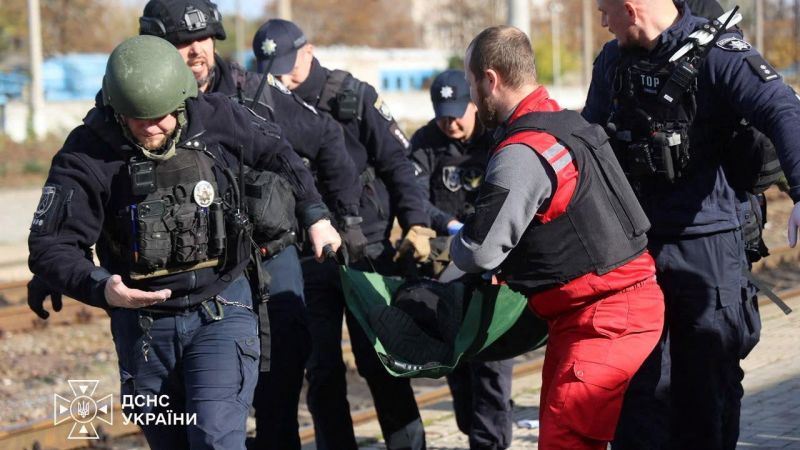
Drone attack on Dnipro station deepens civilian toll across Ukraine
Goldlaner.com – A morning drone strike hit Dnipro’s main railway station while passengers were waiting to board, killing 14 people and injuring 10 others in one of the deadliest attacks on a transport hub in recent months.
The attack came amid a wider day of violence across Ukraine. Authorities said at least 19 people were killed nationwide on Thursday, including two 15-year-old girls in Chernihiv and three people in the Poltava region.
Images from Dnipro showed bodies on the station platform after the blast. Many survivors suffered shrapnel injuries, and four people required emergency surgery, the head of the hospital treating victims told local media.
Railway stations remain vital links for civilians moving between cities, seeking safety, visiting relatives, or traveling for work. Strikes on these locations can rapidly create large numbers of casualties because people often gather on platforms and in waiting areas before departures.
Calls for increased pressure on Moscow
Ukrainian President Volodymyr Zelensky described the Dnipro attack as horrific and called for additional sanctions intended to prevent further Russian attacks. He said the assault demonstrated that Russia had no intention of ending the war.
“These are deliberate strikes against civilians, brazen in their cruelty, and the Russians are carrying them out right as the humanitarian operation in Oleshky is unfolding,” Zelensky wrote on X.
He urged Ukraine’s international partners to impose what he called appropriate pressure on Russia. European Commission President Ursula von der Leyen echoed that message, saying she was heartbroken by the news from Dnipro.
“Together with our allies, we must do everything in our power to mount pressure on the aggressor,” von der Leyen said in a post on X.
The renewed debate over sanctions follows a decision earlier this month by US President Donald Trump to waive a group of sanctions tied to Russian fossil-fuel sales. Kyiv has repeatedly argued that stronger restrictions on Russia’s energy exports are needed to limit Moscow’s ability to finance the war.
Russian state media said Wednesday that Washington and the Kremlin were discussing the possible removal of sanctions on Russia’s multibillion-dollar sovereign wealth fund. Those measures had been introduced by the Biden administration after Russia launched its full-scale invasion of Ukraine nearly five years ago.
Vladyslav Vlasiuk, Ukraine’s presidential commissioner for sanctions policy, warned against easing restrictions before Russia takes constructive steps.
“You cannot lift sanctions and then expect the Russians to take any action. Constructive actions must come first, and then everything else.”
Attacks stretch from Chernihiv to Kyiv
Beyond Dnipro, Russian strikes hit several parts of the country. In the northern city of Chernihiv, two girls aged 15 were among those killed. A separate drone strike on a residential building in the Poltava region left three people dead.
Russia also launched ballistic missiles toward Kyiv on Thursday night, the capital’s mayor said. The barrage followed Zelensky’s warning that Moscow was preparing another wave of attacks against Ukraine.
The latest strikes have coincided with a severe shortage of air-defense missiles in Ukraine. Air defenses are crucial for protecting cities and infrastructure from drones, cruise missiles, and ballistic weapons, but Ukraine has frequently appealed for more interceptors as Russian attacks continue.
Moscow consistently denies intentionally targeting civilians. Yet attacks on transport facilities, homes, and energy systems have imposed a heavy cost on ordinary Ukrainians, disrupting travel, essential services, and daily life far from the front line.
Ceasefire in Oleshky does not halt fighting elsewhere
The Dnipro strike occurred while a localized ceasefire was in effect around Oleshky, a Russian-occupied city in the southern Kherson region. The pause began Tuesday after being brokered by first lady Melania Trump to allow humanitarian assistance to reach residents trapped by fighting.
Thousands of people in Oleshky have faced shortages of electricity, food, and fresh water. The ceasefire applies only to the area surrounding the city, rather than to the wider war, and Russia had made clear that military operations elsewhere would continue.
Both sides have observed the conditions of the Oleshky arrangement so far. The ceasefire is scheduled to remain in place until 10:59 p.m. local time on November 1.
Separately, an employee of the Zaporizhzhia nuclear power plant was killed by a drone on Thursday. The International Atomic Energy Agency condemned the attack. The plant, known as ZNPP, has remained a major safety concern throughout the conflict because fighting near a nuclear facility increases risks beyond the immediate battlefield.
Ukraine also struck military targets inside Russia, Zelensky said during his nightly address. He said Ukrainian missiles targeted two Russian fighter-bomber aircraft and an Iskander ballistic missile launcher. Moscow had not commented on that claim.
For families in Dnipro, the immediate focus is the loss of life at a place normally associated with departure and connection. The attack also underlines a broader reality of the war: even during narrowly defined humanitarian pauses, civilians in other Ukrainian cities remain vulnerable to long-range strikes.
Related Reading
Frequently Asked Questions
What is Russia strikes Dnipro train station in central?
Russia strikes Dnipro train station in central is the main topic of this guide. The article explains the context, practical details, and next steps readers should understand.
Why does Russia strikes Dnipro train station in central matter?
Russia strikes Dnipro train station in central matters because readers are looking for a useful answer, not just a short summary. Good content should match search intent and help them decide what to do next.