
Saudi Aramco Site Targeted as Saudi Arabia and Houthis Escalate Exchange of Strikes
Goldlaner.com – Saudi Arabia and Yemen’s Houthi movement exchanged new attacks on Wednesday, underscoring the rapid deterioration in a conflict that is again threatening major infrastructure, civilian safety and regional transport routes.
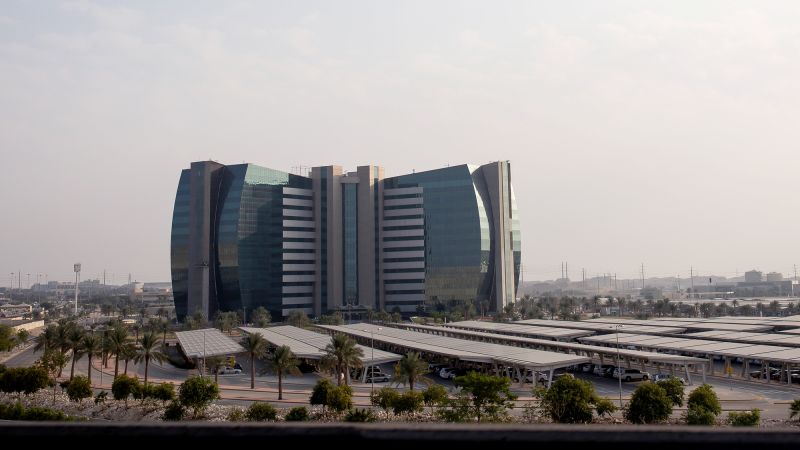
The Iran-backed Houthis said they had struck Saudi Arabia’s capital and claimed responsibility for an attack involving Saudi Aramco, the state oil company whose operations form a central pillar of the kingdom’s economy and global crude supply. Saudi officials said an Aramco administrative building in Dhahran, the company’s headquarters city, was targeted.
A limited fire broke out at the site, though authorities had not immediately determined whether the building itself was struck or whether debris from intercepted missiles caused the damage. No injuries were announced at the Dhahran facility.
The incident carries particular significance because Saudi Aramco is the world’s largest crude oil producer. Any threat to the company’s facilities raises concerns not only inside Saudi Arabia, but also for energy markets that depend on the kingdom’s production and export capacity.
Defenses Engage Missiles and Drones
Saudi-led coalition forces said air defenses destroyed three cruise missiles and two drones aimed at the Riyadh region and southern parts of the country. Saudi authorities said falling debris injured at least four people.
Later on Wednesday, the coalition said it had intercepted a ballistic missile launched toward Riyadh. The missile and drone activity followed several days of increasingly severe attacks, including strikes that disrupted operations at Riyadh’s main international airport.
The Houthis subsequently said they would continue to target Saudi airports and oil-related facilities. They also warned international shipping firms and personnel employed at such locations to avoid them, declaring the sites “legitimate targets” for their forces.
“Legitimate targets”
The warning points to the widening reach of the confrontation. Saudi infrastructure, aviation links and energy assets have become focal points of the Houthi campaign, while maritime traffic in the Red Sea has also faced increased risks.
Fuel Depot Strike in Yemen
The latest Houthi operation came one day after Saudi Arabia attacked a key fuel depot in Yemen. Saudi authorities said the site was being used by Houthi forces to support attacks against Saudi airports and energy installations, as well as operations directed at shipping in the Red Sea.
The Houthi-controlled Yemen Oil Company said the facility did not contain petroleum products and maintained that an attack there would not disrupt fuel reserves or supplies. The Houthis said two civilians were killed and two were injured in the strikes. The Saudi-led coalition said civilians had been warned to leave the area before the attack.
Military activity was also recorded elsewhere along the Saudi-Yemeni border. On Tuesday, the coalition said it intercepted one ballistic missile aimed at Saudi Arabia’s eastern province and another directed toward Haradh, close to the Yemeni frontier. It also said three Houthi drones were intercepted north of Riyadh.
In northern Yemen, Houthi-run Al Masirah television said coalition artillery fire in Saada province injured three Yemenis and two African residents in Baqim district. The outlet later said artillery fire hit residential villages in the border district of Shada in Sadaa, killing two civilians and wounding two others. It also described strikes in Sanaa and several other provinces. The claims could not be independently verified.
Airport Attacks Deepen Security Concerns
The renewed fighting has intensified since July, when the Houthis announced plans to target Saudi shipping in the Red Sea and infrastructure within the kingdom. The conflict had experienced years of relative calm before violence resurfaced during the summer and became more severe last month.
Recent attacks have repeatedly targeted Riyadh’s King Khalid International Airport. On Saturday, 13 people were killed and more than 300 were wounded there, making it the deadliest assault on Saudi Arabia in more than a decade.
The airport attacks have prompted several governments to reassess travel guidance. The United States, United Kingdom, Spain and Canada are among countries advising their citizens not to use the facility. The US State Department also expanded restrictions on Tuesday for American government personnel in Saudi Arabia, requiring them to obtain special authorization from the chief of mission before using any airport in the country.
For travelers and businesses, the developments illustrate how the conflict’s effects now extend beyond front-line areas. Airport disruptions can affect commercial travel, cargo movements and diplomatic operations, while attacks on oil facilities carry broader implications for international energy supplies.
A Conflict With Regional Consequences
The escalating exchange has also drawn attention to the limits of Saudi Arabia’s defensive systems. Despite substantial spending on military capabilities, the kingdom has faced repeated missile and drone attacks while conducting an air campaign in support of Yemen’s internationally recognized government, which is fighting the Houthis on the ground.
The Houthis’ ability to threaten Riyadh, Saudi energy facilities and Red Sea shipping routes has added new pressure to an already complex war. Each side has presented its strikes as a response to the other’s military actions, leaving civilians, transport networks and critical infrastructure exposed to further danger.
With attacks continuing on both sides of the border, the prospect of a quick return to the previous period of relative calm appears increasingly uncertain. The damage in Dhahran, even if limited, serves as a reminder that the conflict is reaching sites with consequences far beyond the immediate battlefield.
Related Reading
Frequently Asked Questions
What is Headquarters of Saudi Aramco hit as Houthis?
Headquarters of Saudi Aramco hit as Houthis is the main topic of this guide. The article explains the context, practical details, and next steps readers should understand.
Why does Headquarters of Saudi Aramco hit as Houthis matter?
Headquarters of Saudi Aramco hit as Houthis matters because readers are looking for a useful answer, not just a short summary. Good content should match search intent and help them decide what to do next.