
Trump, Epstein and Corruption Allegations Shape Senate Debates
Goldlaner.com – Trump Epstein and corruption allegations dominated high-stakes Senate debates in Maine and Georgia as candidates fought to define their records before Election Day. With Republicans holding a narrow Senate majority and Democrats needing four seats to take control, disputes over the president, health care, tariffs, campaign money and transparency became central themes.
Maine: Susan Collins Highlights Independence
Republican Sen. Susan Collins argued that her record shows she is willing to break with President Donald Trump. Seeking a sixth term, Collins faced Democratic challenger Troy Jackson, who tied her to the administration’s policies on the war in Iran, Medicaid reductions and tariffs involving Canada.
Collins responded that she opposed Trump on each issue. She cited her vote against the president’s “One Big Beautiful Bill,” saying Medicaid cuts were a key reason for her opposition. She also emphasized her repeated objections to Canadian tariffs, which carry particular weight in Maine because of its close ties to Canada.
“I have been extremely outspoken in my opposition to Canadian tariffs and I have voted repeatedly to repeal them.”
She also criticized the administration’s preparation for a possible closure of the Strait of Hormuz during the Iran conflict. After the war exceeded 60 days, Collins said she joined Democrats in an unsuccessful effort to end it.
Collins maintained that her seniority, including her role as chair of the Senate Appropriations Committee, would help Maine secure attention and support in Washington. Jackson, meanwhile, sought to portray her as part of the Republican governing majority despite her disagreements with Trump.
Georgia: Epstein Records and Donor Questions Take Center Stage
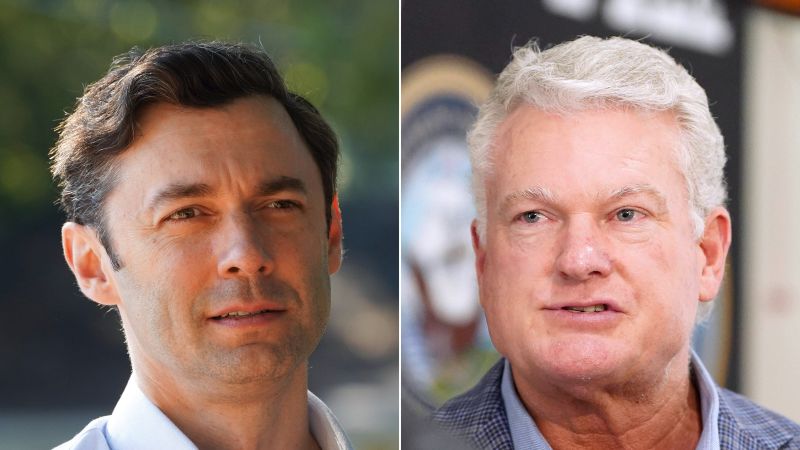
In Georgia, Republican Rep. Mike Collins and Democratic Sen. Jon Ossoff traded sharp attacks over Jeffrey Epstein-related records and donations associated with LinkedIn co-founder Reid Hoffman. The exchange put Trump Epstein and corruption allegations at the center of a closely watched race.
Collins criticized Ossoff for accepting contributions from Hoffman, whose messages with Epstein appeared in Justice Department materials. Hoffman has acknowledged several meetings with Epstein and said he regretted the relationship, which he said began through fundraising connected to MIT.
“The Epstein class is on stage right now, and it’s you,” Collins said while demanding that Ossoff denounce Hoffman.
Ossoff pointed to Collins’ earlier opposition to a July 2025 House measure that would have required the Justice Department to release Epstein-related records within 30 days. Collins later joined 426 House members in approving the Epstein Files Transparency Act in November after Trump changed his position and said he would sign it. Millions of documents were later released.
Ossoff also noted that Trump’s name appears repeatedly in the released records. Their clash illustrated how questions about transparency, political associations and campaign money can reshape a Senate contest.
Iowa Adds to the Battle for Senate Control
The Iowa contest added another important test in the broader struggle for Senate control. Together, the debates in Maine, Georgia and Iowa highlighted how national issues can dominate races even as candidates argue over the concerns most directly affecting their states.
For voters, Trump Epstein and corruption allegations were only part of a larger debate about independence, accountability and whether a candidate’s record matches the promises made on the campaign trail.
FAQ: What Voters in Maine and Georgia Should Know
Why do the Maine and Georgia races matter? Both races could influence which party controls the Senate, where Republicans currently hold a narrow majority.
What was Collins’ main argument in Maine? Collins stressed her votes against Trump on Medicaid reductions, Canadian tariffs and the Iran conflict, while arguing that her seniority gives Maine influence in Washington.
What did Ossoff and Mike Collins dispute in Georgia? They argued over Epstein-related records, campaign donations connected to Reid Hoffman and past votes involving the release of Justice Department files.