
Spain Snap Election Set for November as Housing Protests Grow
Goldlaner.com – Spain will hold a Spain snap election on November 29 after Prime Minister Pedro Sánchez called an early general election amid mounting anger over the country’s housing crisis.
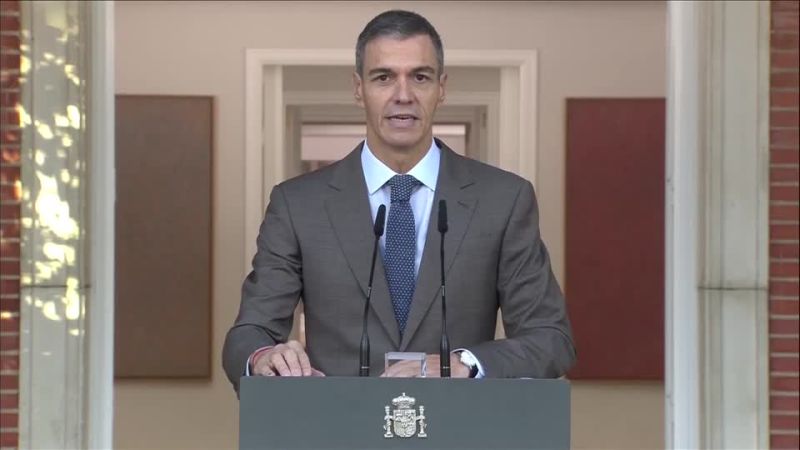
Sánchez announced the vote in a televised address from the Palace of Moncloa, his official residence in Madrid. The decision follows days of housing demonstrations and a parliamentary defeat for two royal decree laws tied to the government’s proposed response to the housing emergency.
The early election puts housing affordability, inequality and the government’s ability to pass reforms at the heart of the national campaign. Protests in Madrid and other cities have intensified pressure on political leaders to offer credible solutions.
Failed housing measures deepen political pressure
Less than 72 hours before announcing the election, Sánchez’s government failed to secure parliamentary approval for two housing-related royal decree laws. The setback underlined the limits of its support in parliament at a time when public demands for action are growing louder.
The prime minister acknowledged that his administration had made mistakes and had not achieved everything it intended. He argued that Spain needs renewed and broader public backing to address unresolved inequality and advance further reforms.
The time has come for the Spanish people to decide what future they want for themselves and for their country.
Sánchez presented the November vote as a decision about the country’s future rather than solely a reaction to the defeated measures. His appeal centers on securing a mandate for policies he says are needed to correct persistent injustices.
Housing protests shape the Spain snap election campaign
Housing concerns have become increasingly visible across the country. Hundreds of people had been camping in Madrid’s Puerta del Sol, while demonstrations calling for action on housing spread to cities around Spain during the past week.
For many voters, the issue reaches beyond politics: housing costs affect where people can live, how much income goes toward a home and whether families can plan for the future. That personal impact is likely to keep the issue prominent throughout the campaign.
The Spain snap election will give voters the chance to judge the government’s record and compare competing plans for housing and inequality. It will also test whether Sánchez can win the stronger parliamentary support needed to enact future measures.
What the November 29 vote could mean
A snap election takes place before the usual electoral timetable. By calling one, Sánchez is asking voters to decide whether his government should receive a fresh mandate during a period of political uncertainty and heightened social pressure.
The result will determine the composition of Spain’s parliament and could shape the prospects for future housing reforms. The recent failure of the royal decree laws showed that announcing policies is not enough without sufficient parliamentary backing to pass them.
Opposition parties will use the campaign to argue for their own priorities, while Sánchez will seek to persuade voters that his government needs wider support to continue its reform agenda. Housing is expected to remain a central test for all sides.
FAQ: Spain snap election and housing protests
When is Spain’s snap election?
Spain’s early general election is scheduled for November 29.
Why did Pedro Sánchez call an early election?
Sánchez called the election after his government failed to win parliamentary approval for two housing-related royal decree laws and as housing protests increased pressure on the government.
What issues are likely to dominate the campaign?
Housing affordability, inequality, the government’s reform agenda and the ability of political parties to build parliamentary support are expected to be major issues in the Spain snap election.