
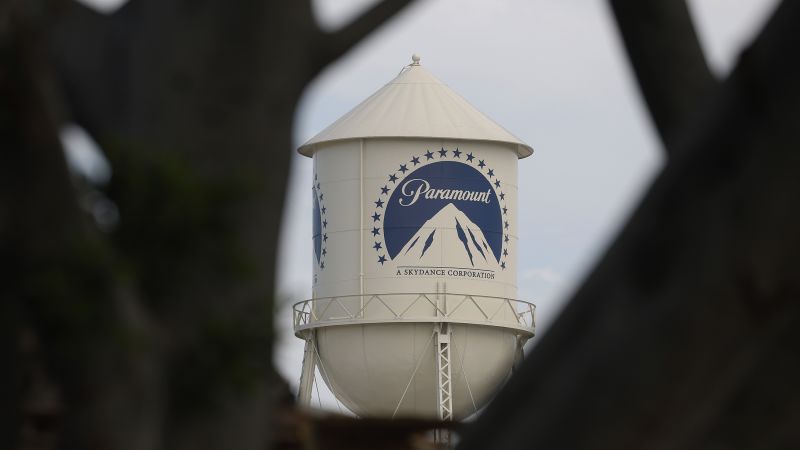
Paramount Nears Merger Settlement, but Several States Remain Skeptical
Goldlaner.com – Paramount nears merger settlement but some state attorneys general have not agreed to the proposed resolution of their antitrust challenge to the company’s planned acquisition of Warner Bros. Discovery. California Attorney General Rob Bonta has led settlement discussions, but officials in New York, Connecticut and other states want stronger protections before ending the case.
A coalition of 12 states sued to block the transaction two months ago, arguing that the combination could reshape competition across film, television and news. If the parties cannot reach an agreement, the lawsuit is scheduled to go to trial in California next March.
New York and Connecticut seek additional safeguards
New York Attorney General Letitia James has not signed on to the current settlement framework and is seeking further worker protections. Her position matters because Paramount and Warner businesses employ thousands of people in New York. James’ office has spoken with at least six unions affected by the proposed deal.
Connecticut Attorney General William Tong and at least two other states also remain unconvinced. Paramount nears merger settlement but some of the states involved want clearer, more durable commitments related to jobs, competition and news operations.
The merger would unite Paramount’s and Warner’s film studios, television channels, CBS News and CNN within a larger combined company. Critics worry that fewer independent media owners could affect both entertainment choices and newsroom independence.
“Fighting to preserve the independence of CNN and CBS News,”
That concern has become central to the negotiations. Opponents say any settlement must do more than rely on voluntary assurances if it is to protect editorial independence and prevent harmful consolidation.
Settlement terms remain confidential
Possible concessions reportedly under discussion include independent oversight of CNN content, commitments tied to theatrical film releases and a temporary separation of the two studios’ operations. The precise terms have not been disclosed and could change before a final agreement is reached.
Bonta has said a settlement should include meaningful structural remedies, including the sale of cable channels. Structural changes can be harder to reverse than corporate promises because they alter ownership or operations directly.
“We, respectfully, didn’t think the United States DOJ did an adequate review and we thought we needed to step into that breach,”
Bonta made those remarks Thursday at The Atlantic Festival. The Justice Department reviewed the merger and allowed it to proceed without concessions in June, making the state lawsuit the main remaining legal obstacle.
California production concerns add pressure
Paramount nears merger settlement but some officials also fear the combined company could shift operations away from California. Bonta has faced pressure over the potential impact on the state’s entertainment economy, particularly in Los Angeles.
Los Angeles Mayor Karen Bass has emphasized the importance of retaining film and television production in the city, where performers, writers, crews, vendors and post-production businesses depend on the industry.
“I’m going to fight like hell”
As negotiations continue, state officials must weigh proposed job and newsroom protections against concerns that the merger could reduce long-term competition. A settlement may avoid a lengthy court fight, but it will need broader support from the states before the legal challenge is fully resolved.
FAQ: Paramount and Warner Bros. Discovery Merger
Why are California and Connecticut involved?
California and Connecticut are among the states challenging the merger under antitrust law. Their attorneys general are assessing whether the transaction could harm workers, competition or media independence.
What happens if the states do not settle?
If no agreement is reached, the state-led lawsuit is scheduled for trial in California next March. The case could delay the merger and place the transaction at further risk.
Could a settlement affect Los Angeles production jobs?
Potential settlement terms could include commitments related to production and operations, but no final terms have been announced. Los Angeles officials and entertainment workers are closely watching whether the combined company keeps work in California.