
States Sue to Stop Trump Public-Charge Green Card Rule
Goldlaner.com – States sue to stop Trump administration policy that could make it harder for some immigrants to obtain green cards, visas, or admission to the United States. A New York-led coalition argues that the Department of Homeland Security rule would give immigration officers broader power to weigh public-benefit use in immigration decisions.
New York, 21 other states and the District of Columbia filed their lawsuit in the Southern District of New York. The challenge targets a rule scheduled to take effect Friday, replacing a Biden-era standard for determining whether an immigrant could become a “public charge.”
What the new public-charge rule could change
Under immigration law, the government may deny certain benefits to an applicant considered likely to depend on public assistance. For years, public-charge reviews generally focused on cash aid, including Temporary Assistance for Needy Families and Supplemental Security Income.
The pending DHS policy does not provide a fixed list of programs officers may consider. Instead, it says officials may examine receipt of any means-tested public benefit, potentially bringing Medicaid, nutrition assistance and housing vouchers into the review.
The rule is broader than the public-charge policy issued during the first Trump administration in 2020, which listed specific categories of benefits that could be considered. Advocates have also warned that benefits sought for relatives, including US citizen children, could be taken into account.
Undocumented immigrants are not eligible for public benefits. The dispute focuses on immigrants who already have lawful status and are seeking visas, green cards or other immigration decisions covered by the policy.
States and cities pursue separate challenges
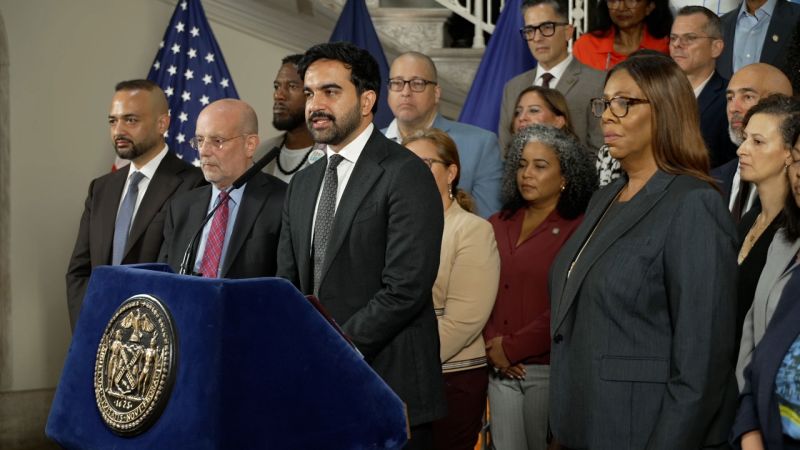
New York Attorney General Letitia James is expected to discuss the case with New York City Mayor Zohran Mamdani, who is leading a separate coalition of cities in a similar challenge. That group is expected to include Chicago, San Francisco, Seattle, Santa Clara County in California and King County in Washington.
States sue to stop Trump policy in part because they say eligible families may avoid health care, food assistance and housing support out of fear that participation will hurt their immigration prospects. The plaintiffs argue that widespread disenrollment could also cost states billions of dollars in federal funding tied to those services.
“Hardworking families should not be forced to go without the support they need because they fear asking for assistance will get them deported,” James said in a release.
The lawsuits seek no financial damages. Instead, the states and local governments want a court to block the rule before it takes effect, invalidate it and prevent DHS from using it in immigration decisions.
Legal arguments against DHS
New York’s complaint contends that DHS exceeded the authority Congress gave it by adopting such an expansive definition of public charge. The states also plan to argue that the rule is arbitrary and capricious because the agency did not adequately justify the policy or address its possible effects on families, benefit systems and state finances.
DHS had not publicly responded when the lawsuit was announced. The public-charge concept dates to the Immigration Act of 1882, but its interpretation has changed substantially across presidential administrations.
FAQ: What this means for US immigrant families
Does this lawsuit immediately stop the rule?
No. Filing a lawsuit does not automatically block a federal rule. The plaintiffs are asking the court to halt the policy before its scheduled effective date.
Who could be affected by the public-charge policy?
The policy concerns certain people with lawful immigration status who are applying for green cards, visas or other covered immigration benefits. It does not center on undocumented immigrants, who are not eligible for public benefits.
Could Medicaid or food assistance affect a green-card application?
The states argue that the rule’s broad language could allow officers to consider means-tested benefits, including Medicaid and nutrition assistance. Individual immigration circumstances can differ, so people with questions about an application should seek qualified immigration legal advice.