
Iran Meeting With Gulf Countries Over Strait of Hormuz Shipping
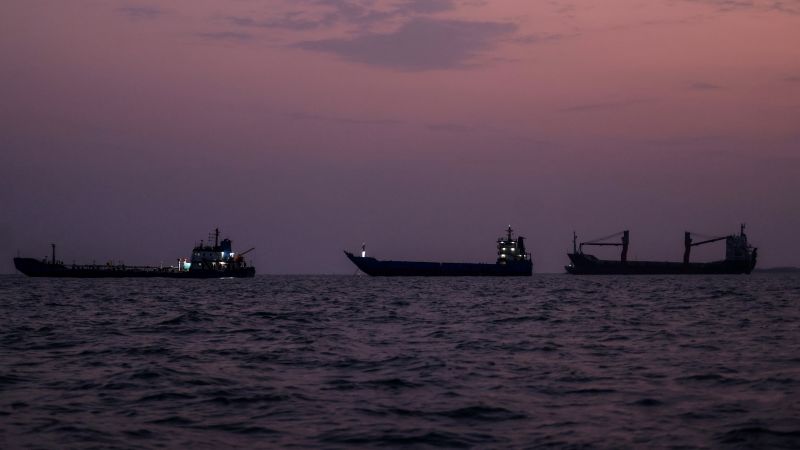
Goldlaner.com – An Iran meeting with Gulf countries is planned to discuss an Omani proposal aimed at restoring regular tanker traffic through the Strait of Hormuz. The vital energy route has seen commercial movement sharply reduced during the conflict, increasing pressure on regional governments and global oil markets.
The United States will not participate, despite its military role escorting oil tankers through the waterway. President Donald Trump has said US forces are protecting shipping, while Gulf states appear determined to prevent limits on commercial traffic from becoming permanent.
Oman Proposal Focuses on Safe Shipping Routes
Diplomats have spent months examining a potential legal framework for reopening the strait. The talks involve possible shipping routes, safety responsibilities and whether Iran and Oman could receive payments linked to vessel passage.
A key goal of the Iran meeting with Gulf countries is to agree on maps identifying accepted routes through the narrow waterway. Clear routes could give tanker operators a better way to assess risk and provide an initial step toward more predictable shipping.
“There is no imminent breakthrough expected, but resolving the strait issue is the most pressing issue, so we need to start somewhere,” a regional source said.
Oman’s proposal includes voluntary payments for navigational safety and environmental protection. The suggested contributions would differ from mandatory tolls, which remain strongly opposed by many regional governments.
Before the conflict, commercial ships could pass through the Strait of Hormuz without compulsory charges. The US and regional partners initially resisted any arrangement that might create new fees or provide Iran with financial benefits, but months of elevated energy prices have prompted further work on a legal solution.
“We won’t accept something that was not there before, but there could be symbolic new rules that allow both sides to save face from both sides,” said a European diplomat briefed on the Omani proposal.
US Watches Talks Without Joining Them
Trump administration officials have reviewed the Omani plans but have not publicly endorsed them. Privately, the administration has told Gulf partners that future engagement with Tehran should focus on Iran’s nuclear program rather than a deal on reopening the strait.
Trump reinforced that position in a Truth Social post after Iran retaliated following US strikes, saying he preferred the current US position in the Strait of Hormuz.
“I’m not trying to force Iran to the bargaining table,” Trump wrote. “I like our position now much better, with almost total control of the Hormuz Strait, and their economy totally collapsing.”
A US official said Washington would remain in close communication with regional partners before, during and after the Iran meeting with Gulf countries. The official also rejected the assertion that Tehran controls the waterway.
“The United States is in close communication with all of our regional partners and will remain so before, during, and after the meeting. Iran does not control the Strait of Hormuz and never will,” said a US official.
Why the Strait Talks Matter
US officials initially underestimated Iran’s readiness to close the strait after the United States and Israel began combat operations earlier this year. Tehran has used the threat to commercial shipping as leverage, prolonging the conflict and adding to pressure on energy markets.
Iran has indicated to regional players that it could be open to nuclear negotiations with Washington after the Strait of Hormuz issue is addressed, including an end to the US blockade. That means the Iran meeting with Gulf countries could have implications beyond tanker traffic, potentially creating an opening for wider diplomacy.
FAQ: Strait of Hormuz Talks
What is being discussed at the meeting? Officials are expected to discuss an Omani framework for safer tanker routes, navigation responsibilities and voluntary payments connected to safety and environmental protection.
Will the United States attend? No. US officials will remain in contact with regional partners and monitor the talks, but Washington is not taking part in the meeting.
Why is the Strait of Hormuz important to Gulf countries? The waterway is a major route for oil shipments. Restoring predictable commercial passage is important for regional economies, tanker operators and global energy markets.