
Republican Midterm Gathering Puts Trump at the Center as Some Candidates Stay Home
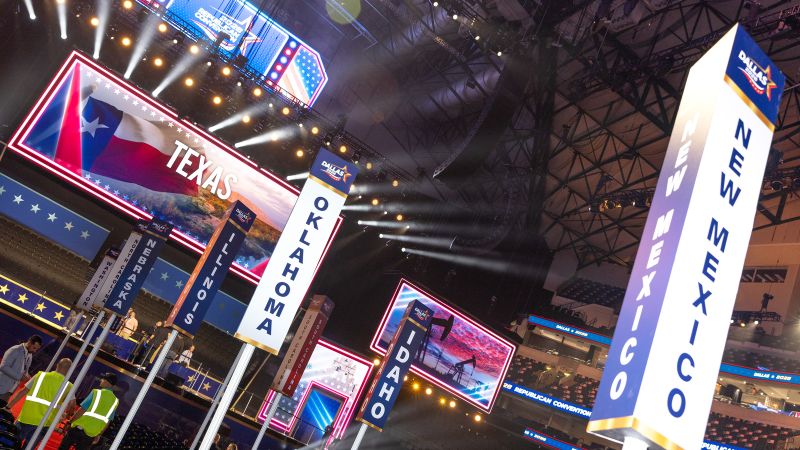
Goldlaner.com – Republicans are convening in Dallas this week for an unusual midterm-year party convention designed to energize voters as the campaign season accelerates after Labor Day. The event brings together President Donald Trump, senior party figures and candidates from closely watched congressional, Senate and gubernatorial contests.
With 109 speakers planned, the convention is intended to showcase the party’s message before November’s elections. Programming begins at 4 p.m. Eastern on both Wednesday and Thursday, and Trump is expected to be the dominant presence throughout the two-day gathering.
The president will deliver Wednesday night’s keynote address and return as the closing speaker Thursday. Vice President JD Vance is scheduled to hold a major spot as Thursday’s keynote speaker.
A high-profile opportunity — and a political calculation
For candidates locked in competitive races, appearing on a national Republican stage can offer fundraising opportunities, greater visibility and a chance to demonstrate support from the president. But it also presents a clear risk in districts where independent and swing voters may be wary of a convention Republicans have described as a “Trump-a-palooza.”
Several House Republicans seeking reelection have decided the potential benefits outweigh that concern. Those expected to participate include Reps. Mike Lawler of New York’s 17th District, Derrick Van Orden of Wisconsin’s 3rd District, Monica De La Cruz of Texas’ 15th District, Ryan Mackenzie of Pennsylvania’s 7th District and Rob Bresnahan of Pennsylvania’s 8th District.
The Senate lineup includes candidates in several of the fall’s most closely followed races: Ohio Sen. Jon Husted, Texas Attorney General Ken Paxton, Georgia Rep. Mike Collins, former Michigan Rep. Mike Rogers and former Republican National Committee Chair Michael Whatley, who is running in North Carolina.
Texas Gov. Greg Abbott and Florida Rep. Byron Donalds are also on the program. Abbott is pursuing a fourth term, while Donalds is seeking to replace outgoing Florida Gov. Ron DeSantis.
“A lot of these races are going to be very, very tight as we’ve seen in midterm cycles past. So, our goal is to remind voters who aren’t necessarily politically engaged all of the time that there is an election in November and it is critical for them to get out to vote.”
That message from RNC national press secretary Natalie Baldassarre reflects the convention’s central purpose: turning national attention into turnout in races likely to be decided by narrow margins.
Notable absences from difficult House and Senate contests
Not every Republican in a competitive campaign is making the trip to Dallas. House members bypassing the convention include Reps. Maria Elvira Salazar of Florida’s 27th District, Tom Barrett of Michigan’s 7th District, Juan Ciscomani of Arizona’s 6th District, Zach Nunn of Iowa’s 3rd District and David Valadao of California’s 22nd District.
Rep. Tom Tiffany, the Republican nominee for Wisconsin governor, is also not attending.
Several significant Senate candidates are absent from the speaking program as well. They include Maine Sen. Susan Collins, Alaska Sen. Dan Sullivan, Iowa Rep. Ashley Hinson and former New Hampshire Sen. John E. Sununu. Their races make up much of the remaining seriously contested Senate landscape.
For candidates balancing event appearances against time in their home states or districts, campaign schedules can be as important as party visibility. A candidate in a close contest may judge that direct voter contact, local media events and fundraising closer to home offer a better use of limited campaign time.
Ticket costs and attendance questions
One Republican source said the National Republican Congressional Committee’s request that House lawmakers pay at least $25,000 per ticket affected attendance decisions.
“I do think it had an impact on member attendance for sure. Obviously there are some members who are in tighter races who feel it’s probably more beneficial to be on the campaign trail.”
A source familiar with the NRCC said the $25,000 cost was below prices charged at earlier conventions and described the practice as standard for party committees. That source said every available ticket had been distributed, totaling more than 2,700 tickets.
“House Republicans and our strong candidates in the most competitive battleground districts across the country are fired up to be in Dallas and take our message straight to voters and lay bare what’s at stake this November.”
NRCC spokesman Mike Marinella said the party’s candidates in highly competitive House districts remain enthusiastic about the event despite the absences.
Trump, meanwhile, characterized the convention as fully booked in a social-media post Tuesday night. He said the party was concentrating speaking opportunities on candidates involved in close races rather than officials with comfortable leads.
“Everybody wants to be there, but we’re really asking only those Candidates that are in tight Races, a little up, a little down, or even, to speak. We want to save the ‘stage’ for them.”
“We don’t need people who are up 45 points, and have been in office for 30 years, as much as we love them all!”
A convention made possible by new party rules
The Dallas event exists because Republican leaders changed party rules that had previously provided for conventions only in presidential-election years. The move fulfilled Trump’s desire to stage a large political gathering during the 2026 midterm cycle.
Trump had previewed the tone of the event during the summer, describing it on social media as a rally unlike any other. The format places his political brand, his appeal to the party base and the practical demands of battleground campaigns on the same stage.
For Republicans, the convention is both a show of unity and a test of campaign strategy. Candidates who appear can gain the attention that comes with a nationally televised party event and proximity to the president. Those who decline are making a different calculation: that their local race may require a more independent posture, more time with voters or a lower-profile campaign schedule.
That tension will remain central as the party moves from its Dallas gathering into the final stretch of the midterm campaign.
Related Reading
Frequently Asked Questions
What is The Republicans staying away from the Trump?
The Republicans staying away from the Trump is the main topic of this guide. The article explains the context, practical details, and next steps readers should understand.
Why does The Republicans staying away from the Trump matter?
The Republicans staying away from the Trump matters because readers are looking for a useful answer, not just a short summary. Good content should match search intent and help them decide what to do next.