Google Maps changes Lake Ontario to ‘Lake America’ in US searches

Daftar Isi
Google Maps Now Displays “Lake America” for American Users After Executive Order
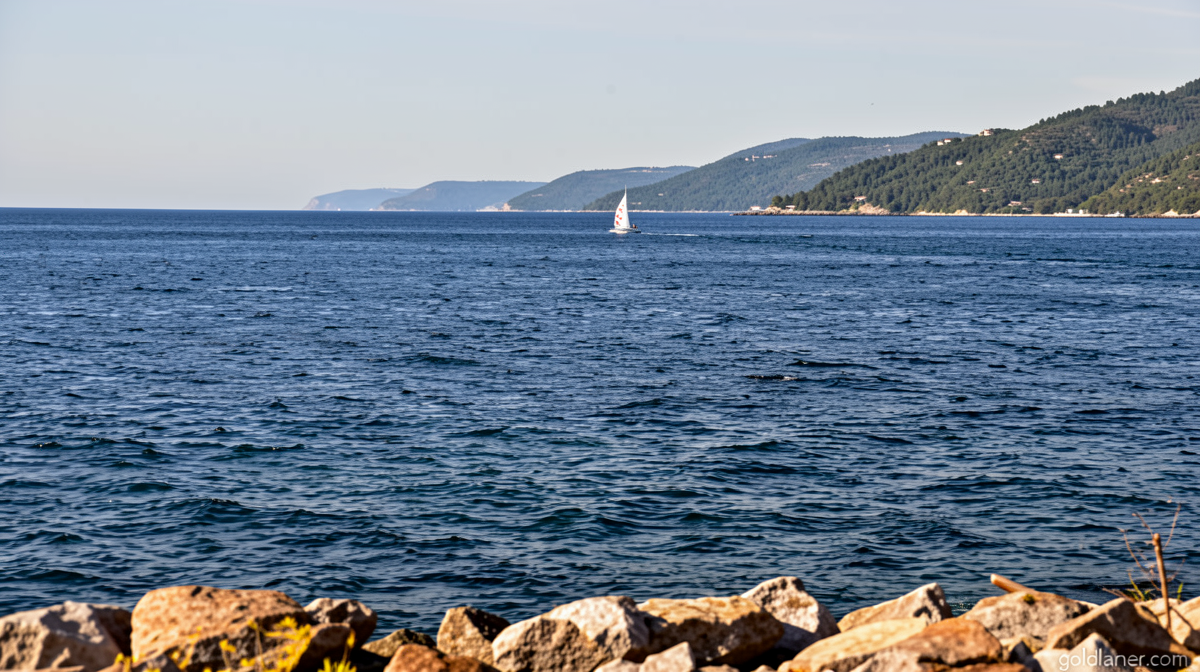
Goldlaner.com – Starting this weekend, anyone opening Google Maps from within the United States and typing in the name of the smallest of the five Great Lakes will encounter a different label than what appeared just days earlier. The body of water shared between the United States and Canada now reads “Lake America” on the platform for domestic American users, a direct consequence of a presidential executive order signed Thursday that redefined how federal agencies designate the lake. The shift lands amid an escalating trade confrontation between Washington and Ottawa, giving the geographic rename a pointed geopolitical edge beyond mere cartography.
The Mechanism Behind the Map Update
Google confirmed the change in a public statement issued Saturday, explaining that its mapping products track official government nomenclature. The company pointed to the U.S. Geographic Names Information System (GNIS), which it described as the authoritative domestic source for place-name designations. Once GNIS formally registered the new label, Google’s systems propagated the update automatically.
“Since we update Google Maps to reflect name changes in official government sources, which is GNIS for the U.S., people using Maps in the U.S. will see ‘Lake America,’ those in Canada will continue to see ‘Lake Ontario.'” — Google statement, Saturday
The company noted that the adjustment follows its established protocol for water bodies whose names differ across national borders. For users located outside both the United States and Canada, the lake will appear under its traditional name with the American designation appended in parentheses — “Lake Ontario (Lake America)” — preserving visibility of both labels simultaneously.
White House Celebration and Political Framing
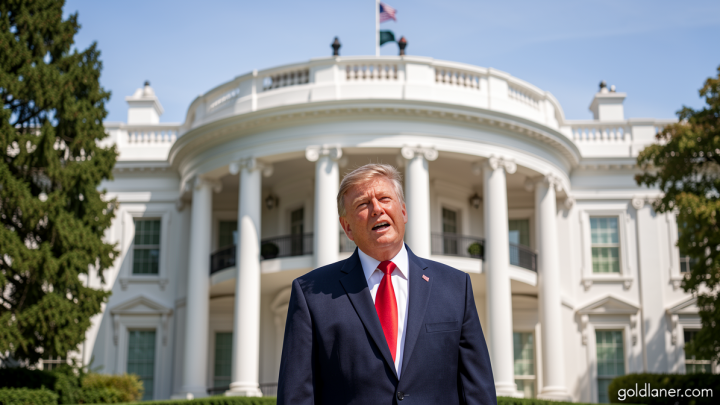
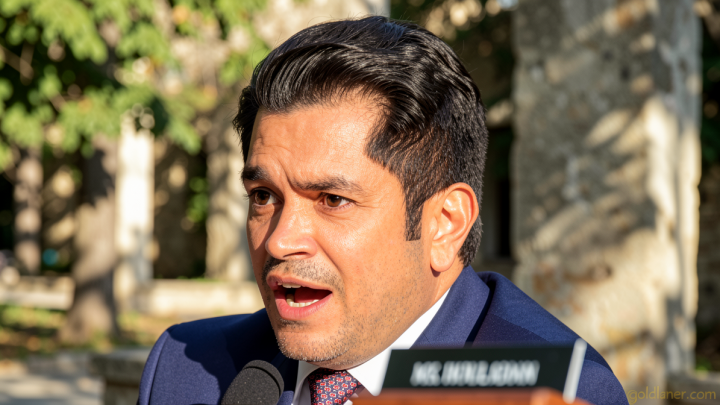
Administration officials moved quickly to publicize the change. White House Communications Director Steven Chueng took to social media on Sunday to announce the update with emphatic capitalization:
“It’s official! LAKE AMERICA on Google Maps.” — Steven Chueng, White House Communications Director
President Trump himself shared a link to coverage of the rename, signaling personal satisfaction with the outcome. The move fits a broader pattern: on his first day back in office in January 2024, the president directed a parallel rebrand of the Gulf of Mexico to “Gulf of America,” and Google issued a comparable compliance statement at that time. Each iteration underscores the latitude the executive branch holds over domestic geographic nomenclature, even when the feature in question spans an international boundary.
Canada Pushes Back
Ottawa has made its position unequivocal. Prime Minister Mark Carney stated that Canada would “forever” refer to the shared waterway as Lake Ontario, a declaration that underscores the limits of one nation’s unilateral naming authority over a transboundary feature. The Boundary Waters Treaty, negotiated in the early twentieth century to prevent and adjudicate disputes over shared waters, remains the operative legal framework governing joint stewardship of the lake. Under that accord, neither country holds exclusive sovereignty; the waters are administered cooperatively, which complicates any attempt by one party to impose a new name on the shared resource.
Ontario Premier Doug Ford escalated the provincial response on Saturday by unveiling a physical sign on the Canadian shoreline bearing the words “Lake Ontario” in large type, followed by the phrase “Now and Always.” He then recorded and posted a video standing before the installation, delivering a pointed message:
“Let’s be clear: Long before President Trump, this lake was called Lake Ontario. And long after President Trump is gone, it will still be called Lake Ontario.” — Doug Ford, Ontario Premier
The gesture transforms a bureaucratic naming dispute into a visible, place-based statement of continuity, aimed at both domestic audiences and the American public.
Other Mapping Services Hold Their Ground
As of Sunday afternoon, competing navigation and mapping platforms had not adopted the new label. Waze and Apple Maps continued to display “Lake Ontario” without modification. MapQuest addressed the question directly in a Thursday social-media post, telling its user base in blunt terms:
“We’re not changing it.” — MapQuest
The divergence among platforms means that American drivers and travelers will encounter inconsistent naming depending on which application they consult, a practical friction that may persist until either the executive order is reversed or industry norms converge.
Why the Rename Matters Beyond the Map
Lake Ontario is not merely a cartographic entry. It supplies drinking water to millions, anchors major port infrastructure, and forms part of the Niagara River system that generates hydroelectric power for both nations. The Boundary Waters Treaty obliges the two countries to consult before altering the physical character of shared waters, though it does not explicitly address nomenclature. Still, the political symbolism of unilaterally renaming a jointly governed feature during an active trade dispute amplifies tensions that already strain bilateral relations. For residents of the lake’s shores — from Hamilton and Toronto on the Canadian side to Buffalo and Rochester on the American side — the question of what to call the water beneath their feet has become, briefly, a question of sovereignty, identity, and diplomatic posture.
Related Reading
Frequently Asked Questions
What is Google Maps changes Lake Ontario to Lake?
Google Maps changes Lake Ontario to Lake is the main topic of this guide. The article explains the context, practical details, and next steps readers should understand.
Why does Google Maps changes Lake Ontario to Lake matter?
Google Maps changes Lake Ontario to Lake matters because readers are looking for a useful answer, not just a short summary. Good content should match search intent and help them decide what to do next.