
Tragedy in London: Jason Arday, Cambridge’s Rising Star, Dies Days After Resignation
Goldlaner.com – The academic community is mourning the loss of Jason Arday, a distinguished sociologist and former professor at the University of Cambridge, who was discovered unresponsive in south London on Friday. The 41-year-old scholar was found in Battersea and pronounced dead at the scene, according to Metropolitan Police authorities. While officials did not formally identify him, British news outlets quickly confirmed that the deceased individual was indeed Arday, whose career had been under intense scrutiny in recent weeks.
Arday’s passing comes at a particularly poignant moment, arriving merely days after he stepped down from his prestigious position amid mounting questions about his professional record. His death has sparked widespread reflection on media practices and the human cost of public scrutiny in academic circles.
A Trailblazer’s Career Under the Spotlight
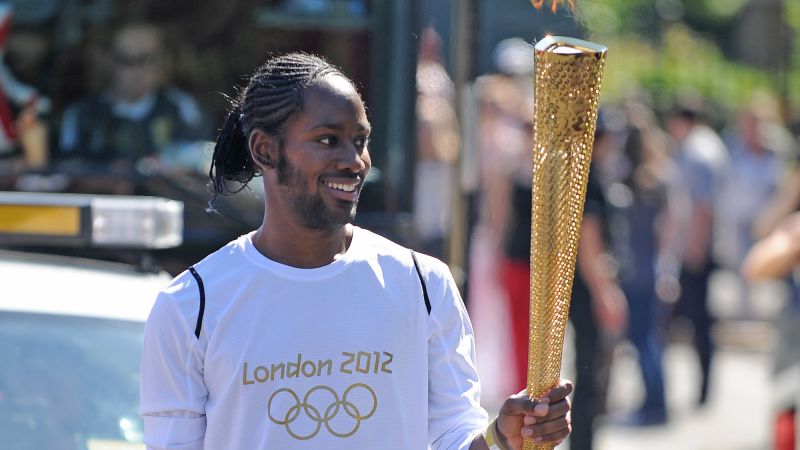
For years, Arday was celebrated as a pioneering figure in British academia. He held the distinction of being the youngest Black professor ever appointed at Cambridge University, a milestone that symbolized progress in representation within higher education. His sociological work earned him recognition, and his athletic achievements and fundraising accomplishments were frequently highlighted in profiles and university communications.
However, last month brought a wave of allegations that challenged this celebrated narrative. Questions emerged regarding potential plagiarism in his scholarly publications, alongside doubts about certain claims concerning his athletic and fundraising history. These concerns gained momentum through British media coverage, creating a perfect storm of public questioning.
Resignation and Defense
In early August, Arday made the decision to resign from his Cambridge position. In his statement, he carefully distinguished his departure from any admission of wrongdoing. He emphasized that his choice to step down “should not be interpreted as a loss of faith in scholarship” and cautioned against viewing it as “an acceptance of the narratives that have surrounded me.” Instead, he characterized his resignation as “the decision of someone who has reached the limits of what any person should reasonably be expected to endure.”
His words resonated with many who felt the intensity of media attention had become disproportionate to the issues at hand.
Widespread Reactions to the Tragedy
News of Arday’s death prompted an outpouring of sympathy from across British society. University Vice-Chancellor Deborah Prentice expressed profound sorrow in a statement posted on X, writing that the institution was “desperately saddened to hear this tragic news.” She extended “heartfelt sympathies” to Arday’s family and friends during what she described as “an incredibly difficult time.”
Lucy Powell, the UK’s Secretary of State for Education, shared similar sentiments. She described herself as “shocked and saddened” by the news and urged the public to respect the privacy of Arday’s loved ones. “I urge people to give them privacy through this incredibly difficult period (and) to remember there are real people with loved ones involved,” Powell stated.
Quite a bit of the British media should ask themselves some serious questions as to whether the tenor and volume of the coverage they gave to this man was remotely proportionate.
Journalist Lewis Goodall voiced criticism of media practices on X, suggesting that British outlets should examine whether their coverage of Arday had been appropriately balanced in both tone and intensity.
The Good Law Project and Media Accountability
The Good Law Project, a campaign organization that has championed Arday since the initial allegations surfaced, characterized his death as “a tragedy for him and those who loved him.” Executive director Jo Maugham revealed that individuals close to Arday had previously cautioned the media about potential risks associated with continued public scrutiny.
Maugham expressed confusion about the public interest justification for sustained media attention following Arday’s resignation. “I do not understand what the public interest was in continuing to hound him after he resigned as a professor and I do not understand what risk assessments media outlets did,” he commented.
University Investigations Continue
Cambridge University initially supported Arday when questions about his qualifications were publicly raised by British journalists and a former philosophy researcher. This researcher, who departed the university after criticizing its diversity, equity and inclusion initiatives, had been among those voicing concerns.
At the time, Cambridge noted that Liverpool John Moores University, which had awarded Arday his doctorate, had already conducted an investigation into the plagiarism allegations. More recently, the university announced it was examining “new information about Professor Arday’s qualifications and honorary appointments.”
Earlier this week, Cambridge confirmed that both Durham and Glasgow Universities were also reviewing the circumstances surrounding Arday’s academic positions at their institutions. These parallel investigations suggest a comprehensive effort to address all aspects of the concerns that emerged.
Broader Implications
Arday’s death has reignited conversations about how academic institutions and media organizations handle allegations against prominent figures. The case highlights the tension between transparency in addressing potential issues and the need for proportionate responses that consider the human element involved.
The timing of his death—occurring shortly after his resignation and amid ongoing investigations—adds layers of complexity to how his legacy will be remembered. Many are calling for a period of reflection before final judgments are made about both the allegations and the manner in which they were pursued.
Reporting for this article was contributed by CNN’s Hira Humayun.
Related Reading
Frequently Asked Questions
What is Former Cambridge professor accused of plagiarism?
Former Cambridge professor accused of plagiarism is the main topic of this guide. The article explains the context, practical details, and next steps readers should understand.
Why does Former Cambridge professor accused of plagiarism matter?
Former Cambridge professor accused of plagiarism matters because readers are looking for a useful answer, not just a short summary. Good content should match search intent and help them decide what to do next.