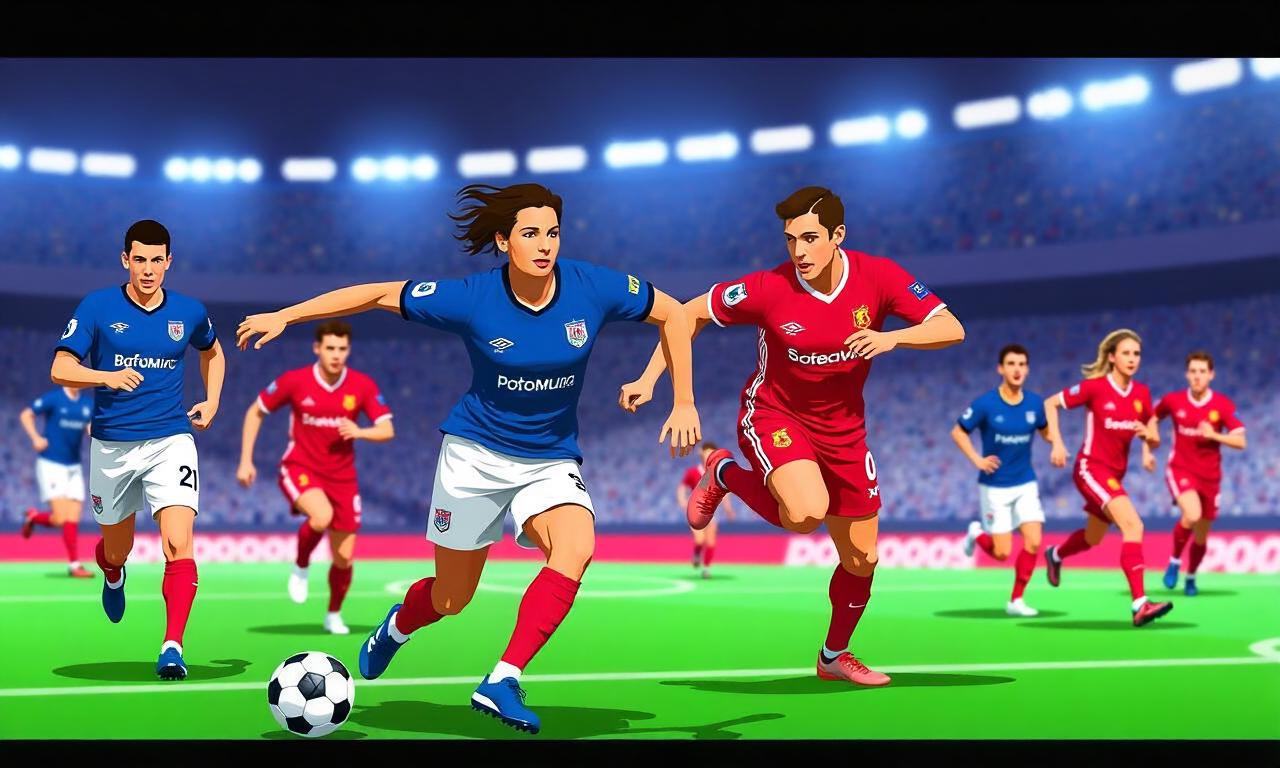
Ligue 1, also known as Ligue 1, is the top-tier football league in France, representing the pinnacle of ligue 1 football. As one of the most prestigious ligue 1 leagues globally, it has a rich history, passionate fanbase, and a reputation for producing world-class talent. This article will delve into the origins, structure, major teams, and cultural significance of Ligue 1, offering a comprehensive overview for both new fans and seasoned enthusiasts. Whether you’re interested in the league’s history, the competitiveness of its matches, or the stars that have emerged from its ranks, you’ll find everything you need to know here. History and Origin The roots of Ligue 1 trace back to the early 20th century, when football in France began to gain traction as a popular sport. Before Ligue 1 became the dominant force, the French Football Championship was the primary competition, held from 1932 to 1959. However, the need for a more organized and structured league led to the creation of the ligue 1 as we know it today. The league was formally established in 1963, replacing the older championship and setting the stage for modern French football. One of the key reasons for the league’s formation was to standardize the playing schedule and improve the quality of competition. The initial ligue 1 consisted of 16 teams, but over time, the number has evolved to 20, reflecting the growing popularity and financial investment in the sport. The league’s early years were marked by fierce rivalries between clubs like Olympique de Marseille, AS Saint-Étienne, and Paris Saint-Germain, which helped shape the identity of ligue 1 as a competitive and dynamic league. The 1990s were a transformative period for ligue 1, as the league expanded its reach beyond France. Clubs like Paris Saint-Germain (PSG) and Olympique Lyonnais (Lyon) began to attract international players and investors, elevating the league’s profile. This era also saw the introduction of the UEFA Champions League, which brought ligue 1 teams into direct competition with clubs from across Europe. The league’s history is a testament to its ability to adapt and thrive, ensuring its position as one of the most influential ligue 1 leagues in the world. Structure and Format The structure of ligue 1 is designed to maintain a balance between competitiveness and accessibility, ensuring that teams have opportunities to climb the ranks or be relegated. The league currently consists of 20 teams, all of which compete in a single season format that typically runs from August to May. Each team plays 38 matches, facing every other club twice—once at home and once away—resulting in a total of 380 games per season. Season Schedule and Competition The ligue 1 season begins in late August and concludes in early May, with the final matchday often being a dramatic spectacle for fans. The league format is a round-robin system, where teams accumulate points for each win, drawing a point for a draw, and zero for a loss. At the end of the season, the top two teams qualify for the UEFA Champions League, while the third-placed team enters the UEFA Europa League qualifiers. The bottom three teams are relegated to Ligue 2, the second tier of French football, creating a continuous flow of competition. This structure ensures that no team has an unfair advantage, as even underperforming clubs can turn their fortunes around in a single season. The ligue 1 is also known for its intense inter-city rivalries, such as the classic Marseille vs. PSG clashes or the Lyon vs. Marseille matches, which often decide the league title. The ligue 1 calendar is meticulously planned to accommodate international fixtures, domestic cups, and European competitions, making it one of the busiest football leagues in the world. Promotion and Relegation Promotion and relegation are vital components of ligue 1, adding an extra layer of excitement to the competition. While the top two teams are automatically promoted from Ligue 2, the third-placed team must compete in a playoff to secure their place in ligue 1. This system allows smaller clubs to compete for a spot in the top flight, fostering a sense of possibility and ambition. Relegation, on the other hand, ensures that teams that struggle throughout the season face the consequences of their performance. The bottom three teams in ligue 1 are relegated to Ligue 2, while the teams that finish in the top three of the second division are promoted. This dynamic system keeps the league competitive and ensures that only the most successful clubs can maintain their status in ligue 1. Financial and Technological Impact The ligue 1 has also embraced modern technologies and financial strategies to enhance the fan experience and increase revenue. The introduction of streaming platforms and mobile apps has made it easier for fans to follow matches in real-time, while the league’s focus on commercialization has attracted global sponsors and investors. This financial growth has allowed clubs to invest in state-of-the-art training facilities, top-tier coaching staff, and international stars, further solidifying ligue 1‘s status as a world-class league. Major Teams and Players Ligue 1 is home to some of the most iconic football clubs in France, each with a unique history and passionate fanbase. Among the most successful teams are Paris Saint-Germain (PSG), Olympique de Marseille, and Olympique Lyonnais (Lyon), which have consistently competed for titles and European glory. These clubs not only dominate the domestic scene but also play a significant role in the global football landscape, attracting top talent and international attention. Paris Saint-Germain: The Dominant Force Paris Saint-Germain (PSG) has emerged as the most successful club in ligue 1 in recent years, thanks to its substantial financial backing and strategic signings. The club, based in Paris, has a storied history, but its modern era began in the early 2000s when it started to invest heavily in world-class players. Under the ownership of Qatar Sports Investment, PSG has become a powerhouse, winning multiple ligue 1 titles and reaching the UEFA Champions League finals. One of the most iconic players to