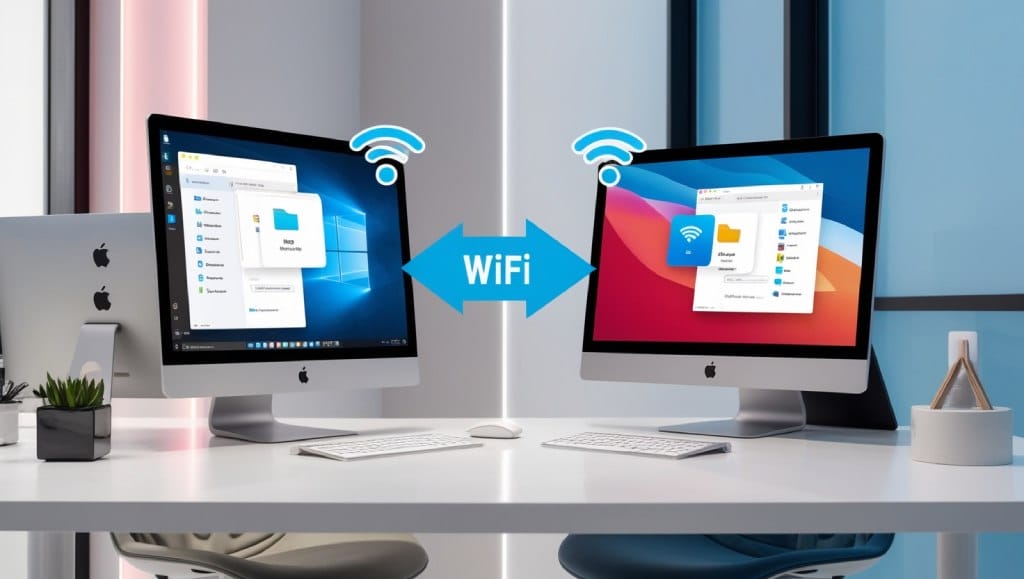

In today’s fast-paced digital world, tech tools have become essential for enhancing productivity and achieving efficiency in both personal and professional settings. From project management software to smart automation systems, the right tech tools can transform how we work, save time, and reduce errors. However, many people struggle with how to use tech tools effectively, often overwhelmed by the sheer number of options available. Mastering how to use tech tools effectively isn’t just about adopting the latest gadgets or applications—it’s about strategically integrating them into your routine to maximize their potential. This article explores practical strategies to help you how to use tech tools effectively, ensuring they complement your goals rather than hinder them. Whether you’re a student, a remote worker, or a team leader, the insights provided will empower you to harness technology in a way that boosts productivity and simplifies daily tasks. Selecting the Right Tools for Your Needs The first step in how to use tech tools effectively is identifying which tools align with your specific goals and workflow. Not every tech tool is suitable for every task, so it’s crucial to evaluate your needs before making a purchase or signing up for an app. Begin by listing the tasks you want to streamline or automate. For example, if you frequently send emails, consider email automation tools like Mailchimp or HubSpot. If you’re managing a team, project management platforms such as Trello or Asana might be more appropriate. Once you have a clear idea of your objectives, research tools that are designed to address those needs. Look for user reviews, compare features, and assess the learning curve. A tool with an intuitive interface is more likely to be adopted consistently, which is vital for how to use tech tools effectively. For instance, a time tracking app with a simple dashboard may be better suited for a busy professional than one with complex analytics. Don’t forget to consider compatibility with your existing tools. If you’re already using Microsoft Office or Google Workspace, opt for tech tools that integrate seamlessly with these platforms. For example, Google Workspace Add-ons can connect with Gmail, Google Calendar, and Google Docs to create a unified workflow. By choosing tools that work together, you avoid fragmentation and ensure that your productivity gains are sustainable. Evaluating Features and User Experience When evaluating a tech tool, focus on its core features and how they align with your workflow. A task management app like Notion, for example, offers customizable templates, but if you only need a simple to-do list, a basic app like Todoist might be more efficient. Prioritize tools that reduce manual effort and provide actionable insights. User experience plays a significant role in how to use tech tools effectively. A tool with a steep learning curve may lead to frustration and underutilization. Consider tools that offer tutorials, onboarding support, or user-friendly interfaces. For instance, AI-powered assistants like Siri or Alexa have intuitive voice commands that make them accessible for users of all skill levels. Also, check if the tool supports customization. Many tech tools allow users to tailor their settings, workflows, or dashboards. For example, cloud storage platforms like Dropbox or Google Drive let you organize files in a way that suits your preferences. Customization ensures that the tool adapts to your needs, not the other way around. Integrating Tools into Your Daily Workflow After selecting the right tech tools, the next step is integrating them into your daily routine. This involves mapping each tool to a specific task or process to ensure they’re used consistently. For example, project management software can be used to assign tasks, track deadlines, and monitor progress. By assigning these functions to the appropriate tech tools, you create a streamlined workflow that minimizes disruptions. To how to use tech tools effectively, it’s important to align their usage with your habits. If you’re a morning person, use time management apps to schedule your day. If you prefer a more flexible approach, calendar apps with smart scheduling features like Google Calendar’s AI assistant can help you plan without rigidity. The key is to find a balance that fits your lifestyle and work style. Integration also requires automation. Many tech tools offer automation features that can simplify repetitive tasks. For instance, chatbots like ManyChat or Tidio can handle customer inquiries automatically, freeing up your time for more complex work. By leveraging automation, you not only save time but also reduce the risk of human error. Setting Up Custom Workflows Creating custom workflows is a powerful way to optimize how to use tech tools effectively. For example, automated email systems like Zapier or IFTTT can connect your calendar app with an email marketing tool, sending out automated reminders or updates. This level of integration ensures that your tech tools work together harmoniously rather than in isolation. To set up a custom workflow, start by identifying repetitive or time-consuming tasks. Once you’ve pinpointed these, look for tools that can automate them. For instance, data analysis software like Excel or Google Sheets can be paired with cloud storage to automate report generation and sharing. This not only improves productivity but also ensures that your data is always up-to-date. Custom workflows also require regular adjustments. As your tasks evolve, so should your tools. For example, a customer relationship management (CRM) tool like HubSpot might need to be reconfigured as your business grows. By being proactive in adjusting your workflows, you maintain the effectiveness of your tech tools over time. Customizing and Automating for Maximum Efficiency Customization is a cornerstone of how to use tech tools effectively. Each tech tool offers a range of settings and features that can be tailored to fit your unique requirements. For instance, project management tools like ClickUp or Asana allow users to create custom project templates, set priorities, and adjust deadlines according to their workflow. This flexibility ensures that the tool remains relevant and useful as your needs change. To customize a tech tool, start by exploring its configuration options. Many

The Future of Technology: Trends and Innovations to Watch
The future of technology is rapidly evolving, driven by groundbreaking innovations and a relentless drive for progress. As we stand at the crossroads of digital transformation and human advancement, the future of technology is no longer just about faster processors or smarter devices—it’s about reshaping how we live, work, and interact with the world. From artificial intelligence (AI) to quantum computing, from sustainable energy solutions to space exploration, the future of technology is being sculpted by a wave of developments that promise to redefine industries and daily life. This article delves into the most anticipated future of technology trends, exploring their potential impact, challenges, and opportunities. Whether you’re a tech enthusiast, a business leader, or a policy maker, understanding these innovations is crucial for staying ahead in an increasingly interconnected and automated world. The Rise of Artificial Intelligence and Machine Learning Artificial intelligence (AI) has become one of the most transformative forces in the future of technology, revolutionizing everything from healthcare to finance. As AI systems grow more sophisticated, they are not only enhancing automation but also enabling predictive analytics and decision-making processes that were once exclusive to humans. One of the most notable trends in the future of technology is the integration of machine learning algorithms into everyday applications, making them more intuitive and responsive. For instance, AI-powered chatbots are now capable of understanding natural language, providing personalized customer service, and even engaging in complex conversations. This evolution is driven by deep learning models, which allow systems to process vast amounts of data and improve over time. AI in Healthcare: Transforming Diagnostics and Treatment The future of technology is reshaping the healthcare industry through AI-driven innovations. Machine learning models are being used to analyze medical images with unparalleled accuracy, helping doctors detect diseases like cancer at earlier stages. For example, AI systems can identify tumors in X-rays or MRIs faster than human radiologists, reducing diagnostic errors and saving precious time. These systems are also being developed to predict patient outcomes based on historical data, enabling </strong>personalized treatment planstailored to individual needs. Additionally, <strong>AI-powered robotics</strong> are being deployed in surgeries, offering <strong>precision beyond human capabilityand minimizing risks. As the future of technology continues to advance, AI is set to become a cornerstone of medical innovation, transforming patient care and improving global health outcomes*. Machine Learning in Business and Industry Beyond healthcare, machine learning is revolutionizing business operations and industrial processes. Companies are leveraging predictive analytics to forecast market trends, optimize supply chains, and reduce costs. For instance, AI-driven demand forecasting has enabled retailers to manage inventory more efficiently, minimizing waste and maximizing profitability. In manufacturing, <strong>machine learning algorithmsare being used to predict equipment failures and streamline production lines. This not only improves efficiency but also reduces downtime and maintenance expenses. Moreover, </strong>AI-powered marketing toolsare personalizing consumer experiences, analyzing user behavior, and delivering targeted advertisements with <strong>unmatched precision. The future of technology is making businesses more agile, data-driven, and customer-centric, driving innovation and redefining competitiveness*. Quantum Computing: The Next Frontier in Processing Power Quantum computing represents a paradigm shift in the future of technology, promising to solve complex problems at an unprecedented speed. Unlike classical computers, which use binary bits (0s and 1s), quantum computers utilize quantum bits or qubits that can exist in multiple states simultaneously. This allows them to perform calculations that would take traditional computers thousands of years in just seconds. While still in its early stages, quantum computing is expected to ***revolutionize fields* such as cryptography, drug discovery, and climate modeling. The Potential of Quantum Computing in Cryptography One of the most exciting applications of quantum computing in the future of technology is its impact on cryptography. Quantum computers can break current encryption methods, such as RSA, by efficiently solving mathematical problems that are intractable for classical systems. However, they also offer the potential to create unhackable quantum encryption that is immune to traditional cyber threats. This duality makes quantum computing a critical area of focus for securing digital communications in the future of technology. Governments and corporations are already investing heavily in quantum-resistant algorithms to prepare for this new era of cybersecurity. Quantum Computing and Drug Discovery In the field of pharmaceuticals, quantum computing is poised to accelerate drug discovery and development. Traditional methods often take years to identify effective treatments, but quantum computers can simulate molecular interactions at atomic levels with greater accuracy and speed. This capability could </strong>revolutionize the way we approach diseasessuch as Alzheimer's and cancer, enabling researchers to design <strong>targeted therapiesin record time. For example, </strong>quantum simulationsare already being used to model proteins and their behavior, <strong>cutting down the timerequired for experimental testing. As quantum computing matures, it may </strong>transform healthcare* by making ***personalized medicinea reality. Sustainable Technology: Powering the Future Green As environmental concerns grow, the future of technology is increasingly focused on sustainability. Innovations in renewable energy, energy storage, and eco-friendly materials are shaping the next generation of tech solutions that reduce carbon footprints and promote resource efficiency. The future of technology is not just about creating smarter devices—it’s about building a greener infrastructure that supports long-term ecological balance. Renewable Energy and Smart Grids The future of technology is driving the development of smart grids that optimize energy distribution and consumption. These grids use real-time data analytics and AI-driven automation to balance supply and demand, reducing energy waste and improving grid reliability. For example, solar and wind energy integration has become more efficient with the help of AI-powered predictive maintenance and demand forecasting. This ensures that renewable energy sources are used effectively even during periods of low generation. As the future of technology continues to evolve, smart grids are expected to play a vital role in achieving global climate goals*. Innovations in Energy Storage A major challenge in renewable energy adoption is energy storage—the future of technology is addressing this through next-generation batteries and alternative storage solutions. Lithium-ion batteries are being improved for longer lifespans and higher capacities, while solid-state batteries promise greater safety and faster charging times. Additionally,