In today’s fast-paced digital world, technology is an essential part of our daily lives. Whether you’re using a smartphone, laptop, or desktop computer, having a solid foundation in tech tips for beginners can help you navigate the digital landscape with confidence. For newcomers, the sheer number of devices, software, and online tools can feel overwhelming. However, mastering the basics doesn’t have to be a daunting task. With the right tech tips for beginners, you can build your digital skills step by step, avoiding common pitfalls and gaining the ability to use technology efficiently. This article will guide you through tech tips for beginners that are both practical and easy to implement, ensuring you can harness the power of technology without confusion. Section 1: Understanding the Fundamentals of Technology Before diving into advanced features, it’s crucial to grasp the tech tips for beginners that form the backbone of modern computing. Starting with the basics ensures that you can use your devices effectively and troubleshoot simple issues without frustration. Basic Tech Concepts to Get Started Technology can be complex, but it’s built on a few core concepts that are easy to understand. First, know your device—whether it’s a smartphone, tablet, or laptop. Each has unique functions, but they all share common elements like operating systems, software applications, and hardware components. For example, iOS is the operating system for Apple devices, while Android powers most Android smartphones. Understanding these basics will help you make informed decisions when setting up or upgrading your tech. Second, learn the difference between hardware and software. Hardware refers to the physical parts of a device, such as the screen, keyboard, or processor, while software is the programs that run on it, like Microsoft Word or Google Chrome. Knowing this distinction can help you better troubleshoot problems and optimize your device’s performance. Lastly, familiarize yourself with key tech terms. Words like Wi-Fi, Bluetooth, cloud storage, and USB are frequently used but may seem intimidating at first. A quick understanding of these terms will make you more comfortable when using new gadgets or software. Setting Up Your Tech: A Step-by-Step Guide Setting up your first device can be a great opportunity to practice tech tips for beginners. Start by unboxing your device and charging it fully. Then, follow the on-screen instructions to set up your account, choose your language, and connect to a Wi-Fi network. If you’re unsure about any step, consult the user manual or search online for tech tips for beginners. One important tip is to create a strong password for your device. A strong password typically includes a mix of uppercase and lowercase letters, numbers, and symbols. Avoid using easy-to-guess passwords like “password123” or “123456”. Additionally, enable two-factor authentication (2FA) for an extra layer of security. Another basic tech concept is backing up your data. Most devices offer cloud storage options like Google Drive, iCloud, or OneDrive. Regularly backing up your files ensures that you won’t lose important data if your device malfunctions. Section 2: Navigating the Digital World with Confidence Once you’ve mastered the fundamentals, the next step is learning how to navigate the internet and use digital tools effectively. These tech tips for beginners will help you streamline your online experience and avoid common mistakes. Using Search Engines Effectively Search engines like Google, Bing, or DuckDuckGo are essential tools for finding information quickly. However, many beginners don’t know how to use them to their full potential. To improve your search skills, start with clear and specific queries. Instead of typing “how to use a computer,” try “how to create a document in Microsoft Word” to get more accurate results. Another important tip is to use advanced search operators. For example, adding "site:example.com" to your search can help you find information specifically on a website. You can also use "intitle:" to search for pages with specific titles or " filetype:pdf" to find downloadable documents. These tricks are part of tech tips for beginners that can save you time and improve your efficiency. Managing Your Digital Files and Folders Organizing your digital files is a core skill that every beginner should master. Start by creating a clear folder structure on your device. For instance, separate folders for documents, photos, videos, and downloads can make it easier to locate files when needed. Use file naming conventions to keep your documents organized. Instead of naming files like “pic1.jpg” or “report.docx,” opt for descriptive names like “2023-10-05projectsummary.docx” or “familyvacationphotos_2023.jpg”. This practice not only helps you remember what each file contains but also makes it easier to search for them later. Staying Connected: Understanding Internet Basics The internet is the lifeline of modern technology, so knowing how it works is part of tech tips for beginners. Start by understanding your internet plan—whether you have a broadband connection, mobile data, or Wi-Fi. Each has different speed and data limits, so choose the one that suits your needs. Learn how to connect to Wi-Fi by opening the settings menu on your device, selecting the network, and entering the password. If you’re unsure about the password, ask a friend or refer to the router documentation. For mobile data users, be mindful of your data usage to avoid unexpected charges. Section 3: Enhancing Productivity with Smart Tech Habits Technology is designed to make our lives easier, but only if we use it wisely. By adopting smart tech habits, you can boost your productivity and make the most of your devices. These tech tips for beginners will help you stay organized and efficient in both personal and professional tasks. Creating a Digital Workflow A digital workflow is the process of managing your technology to complete tasks smoothly. Start by setting up a dedicated workspace for your tech activities, whether it’s a desk, laptop, or tablet. Keep your workspace clean and clutter-free to avoid distractions. Use productivity tools like Google Calendar, Trello, or Notion to manage your time and tasks. These apps can help you create to-do lists, set reminders, and track your progress. Additionally, enable
Technology vs Traditional Methods: Which is Better?
In an era where innovation is the driving force behind progress, the debate between technology vs traditional methods has become increasingly relevant. From agriculture to education, and from manufacturing to healthcare, the integration of technology vs traditional methods continues to shape industries and redefine efficiency. While traditional methods have been relied upon for centuries, technology now offers faster, scalable, and data-driven solutions. This article explores the strengths and weaknesses of both approaches, examines their applications across various sectors, and answers the question: technology vs traditional methods, which is truly better? The Evolution of Methodologies The human race has always sought better ways to accomplish tasks. Traditional methods, rooted in manual labor and time-tested practices, have long been the backbone of industries. These approaches rely on experience, intuition, and physical effort, making them reliable in environments where resources are limited. However, as the world becomes more complex, technology vs traditional methods has emerged as a critical discussion point. Efficiency and Productivity One of the most significant advantages of technology vs traditional methods lies in efficiency. Traditional methods often require repetitive, manual work, which can be time-consuming and prone to errors. In contrast, technology automates processes, reducing the need for human intervention and increasing output. Bold: Automation in manufacturing is a prime example. In the past, assembly lines relied on skilled workers performing tasks one at a time. Today, robotics and artificial intelligence (AI) streamline production, allowing machines to operate 24/7 without fatigue. This shift has dramatically cut down production time and costs in industries like automotive and electronics. Italic: However, technology is not without its challenges. For instance, while technology vs traditional methods can boost productivity, it also demands significant investment in infrastructure and training. A small business might struggle to adopt advanced tools if they lack the financial resources or technical expertise. Cost and Resource Management Cost is another crucial factor when comparing technology vs traditional methods. Traditional methods often require fewer upfront costs, making them accessible to individuals and small enterprises. On the other hand, technology can lead to long-term savings by minimizing waste and optimizing resource use. Bold: Consider agriculture as a case study. Traditional farming methods depend heavily on human labor, which can be expensive and inconsistent. With the introduction of technology vs traditional methods, such as precision agriculture, farmers can use sensors and data analytics to monitor soil conditions, crop health, and weather patterns. This not only reduces the need for excessive water and fertilizers but also increases yield, making the investment worthwhile. Italic: Yet, the initial costs of adopting technology can be a barrier. For example, a rural community might hesitate to replace manual irrigation systems with automated ones due to the high price of machinery. This highlights the importance of weighing immediate expenses against long-term benefits when evaluating technology vs traditional methods. Adaptability and Flexibility The adaptability of technology vs traditional methods is a key differentiator. Traditional methods are often more predictable but less flexible, while technology enables rapid adjustments to changing conditions. The Role of Innovation in Problem-Solving Bold: Technology provides a dynamic edge in problem-solving. In sectors like healthcare, for instance, traditional diagnosis methods may take hours or days, whereas AI-powered tools can analyze medical data in minutes, offering faster and more accurate results. This adaptability is especially vital in crises, such as pandemics, where timely decision-making can save lives. Italic: Conversely, traditional methods can sometimes be more intuitive in niche situations. For example, a craftsman using hand tools might develop a unique technique that cannot be replicated by machines. This human touch is valuable in industries where creativity and customization are essential, such as fashion or art. Challenges of Keeping Up with Change While technology allows for rapid innovation, it also requires continuous learning and adaptation. Workers must acquire new skills to operate advanced equipment, which can be a hurdle in industries with a long-standing reliance on traditional practices. Bold: A clear example is the shift from paper-based record-keeping to digital systems. In many small businesses, the transition can be overwhelming, as employees need to learn software tools and change established workflows. However, the benefits of technology vs traditional methods—such as real-time data access and reduced administrative errors—often justify the effort. Italic: Meanwhile, traditional methods may offer a sense of stability. For instance, in a world where digital systems can fail, manual processes ensure continuity. This balance between innovation and tradition is critical when deciding which approach to prioritize. Sustainability and Long-Term Impact Sustainability is a growing concern for industries and consumers alike. When comparing technology vs traditional methods, it’s important to evaluate their environmental and social impacts. Environmental Considerations Bold: Technology has the potential to reduce environmental harm by minimizing waste and optimizing energy use. For example, renewable energy systems like solar panels and wind turbines replace fossil fuels, decreasing carbon emissions. Similarly, in construction, technology vs traditional methods such as 3D printing can use less material and reduce landfill waste compared to conventional building techniques. Italic: However, traditional methods can also be sustainable. In some cases, natural, low-tech solutions are more eco-friendly. For instance, traditional farming practices like crop rotation or composting rely on organic inputs and do not require electricity or chemicals. These methods often align with local ecosystems, making them a viable option in environmentally sensitive areas. Social and Economic Implications The adoption of technology vs traditional methods can have far-reaching social and economic effects. While technology drives economic growth by creating new industries and job roles, it can also lead to job displacement in sectors where manual labor is replaced by machines. Bold: The rise of automation in manufacturing has already displaced many low-skilled workers, raising concerns about unemployment. On the flip side, traditional methods preserve cultural heritage and community-based industries. For example, handcrafted textiles in developing countries maintain artisanal traditions and provide livelihoods for local communities. Italic: Balancing these implications is essential. Governments and businesses must invest in retraining programs to help workers transition into tech-related roles while supporting industries that rely on traditional
Tigres vs Cruz Azul: Ohio State Football and UFC in Comparison
In the world of sports, Ohio State Football and UFC stand out for their high stakes and intense competition. Both are iconic in their own right, representing the pinnacle of athletic excellence in American culture. However, when comparing these two to the passionate rivalry of Tigres – Cruz Azul, the parallels become fascinating. While Ohio State Football captivates fans with its structured gameplay and strategic depth, UFC thrives on raw, unpredictable combat. Meanwhile, the Tigres – Cruz Azul rivalry in Mexican football showcases a different kind of intensity, rooted in passionate fanbases and historic battles. This article delves into the unique aspects of Ohio State Football, UFC, and the Tigres – Cruz Azul matchup, exploring how they reflect different facets of sports culture, strategy, and spectator engagement. The Intensity of Ohio State Football and UFC Ohio State Football: The Power of Tradition and Pressure Ohio State Football has long been a symbol of American college athletics, with a legacy built on tradition, discipline, and high-stakes competition. The Buckeyes’ success in the Big Ten Conference and their storied rivalry with teams like Pittsburgh and Michigan State highlight the sport’s emphasis on strategy, teamwork, and endurance. Each game is a test of physical and mental fortitude, with coaches meticulously planning plays to outmaneuver opponents. The pressure of Ohio State Football is amplified by its status as a national powerhouse, drawing massive crowds and media attention. In contrast, UFC (Ultimate Fighting Championship) operates in a different realm of intensity, where Tigres – Cruz Azul serves as a metaphor for the unpredictability and raw power of combat sports. While Ohio State Football is a team sport with a defined set of rules, UFC is an individual battle, often hinging on split-second decisions and physical dominance. The Tigres – Cruz Azul rivalry, though in soccer, mirrors this tension, where two historically strong teams face off in a match that can determine league standings or national pride. The Spectacle of UFC and Football Both Ohio State Football and UFC are designed to deliver maximum spectacle, but their approaches differ. In Ohio State Football, the visual appeal comes from coordinated plays, fast-paced action, and the unity of 11 players on the field. The Tigres – Cruz Azul rivalry, on the other hand, is a microcosm of football’s beauty, where individual brilliance and collective effort collide. For UFC, the spectacle is more visceral. Fighters like Conor McGregor or Khabib Nurmagomedov have turned the octagon into a global stage, where every punch, takedown, and submission holds dramatic weight. The Tigres – Cruz Azul match, though in a different format, also creates a similar atmosphere, with fans rallying behind their teams and the game itself becoming a story of resilience and grit. The Psychological Edge in High-Stakes Rivalries High-stakes rivalries in Ohio State Football and UFC often come down to psychology. In college football, players must balance the pressure of representing their university with the need to stay focused on the game. The Tigres – Cruz Azul matchup, which occurs in the Liga MX, adds another layer of pressure, as the outcome can affect a team’s reputation and future prospects. Similarly, UFC fighters must mentally prepare for the unpredictability of their opponents, often facing life-or-death scenarios in a single match. Strategic Depth: Football vs Combat Sports The Tactical Precision of Ohio State Football Ohio State Football is a sport of meticulous planning and execution. Coaches like Urban Meyer or Ryan Day are known for their ability to design game plans that exploit an opponent’s weaknesses while maximizing their own strengths. The team’s strategy often revolves around a strong defense, disciplined offense, and the ability to adapt to changing circumstances. In the Tigres – Cruz Azul rivalry, football teams must similarly balance offense and defense, with each match serving as a test of tactical versatility. For example, Tigres might focus on a high-energy, attacking style, while Cruz Azul could prioritize a solid, defensive approach. This strategic dichotomy is akin to the way Ohio State Football teams adapt their tactics based on the opponent’s style, creating a dynamic and engaging competition. The Adaptability of UFC Fighters UFC is a sport where strategy is constantly evolving. Fighters must be proficient in multiple disciplines, from striking to grappling, and adjust their approach mid-fight based on their opponent’s strengths. This adaptability is crucial in a format where a single mistake can lead to defeat. The Tigres – Cruz Azul rivalry, though in a different context, also demands similar flexibility, as teams must modify their gameplay to counter the opponent’s tactics. The Role of Injuries and Momentum in Rivalry Matches Injuries and momentum play a significant role in both Ohio State Football and UFC. A key player’s injury can shift the balance of a game, just as a fighter’s comeback in UFC can change the outcome of a match. The Tigres – Cruz Azul rivalry often sees teams fighting to reclaim their former glory, with momentum swings creating a narrative of redemption or dominance. This element of unpredictability adds to the excitement of both sports, making each match a story of resilience and determination. Fan Engagement: The Heart of the Rivalry The Loyalty of Ohio State Football Fans Ohio State Football fans are known for their unwavering loyalty, often traveling in large numbers to support their team. The Tigres – Cruz Azul rivalry is a prime example of this dedication, with fans from both clubs creating a passionate atmosphere during matches. In the U.S., Ohio State Football games are social events, with tailgating, chants, and shared experiences fostering a sense of community. Similarly, the Tigres – Cruz Azul rivalry draws massive crowds in Mexico, where the game is not just about winning but about representing the team’s identity. This fan-driven intensity is mirrored in UFC events, where fans cheer for their favorite fighters, often turning the arena into a boiling cauldron of energy. The Global Reach of UFC and Football Rivalries UFC has a global following, with fans in every corner of the world. This
Ohio State Football vs UFC: Tigres – Cruz Azul Clash Analysis
In the world of sports, the intersection of Ohio State Football and UFC may seem unlikely at first glance. However, when we examine the Tigres – Cruz Azul rivalry in Mexican football, a fascinating parallel emerges between the strategic depth of college football and the high-octane intensity of mixed martial arts. This article delves into the Tigres – Cruz Azul clash, analyzing how the Ohio State Football team’s tactical approach to competition mirrors the UFC’s combat strategies.** By exploring the key elements that define these matchups, we uncover the universal principles of preparation, adaptability, and dominance that transcend sports boundaries. Strategic Approach to the Clash The Tigres – Cruz Azul rivalry is one of the most storied in Mexican football, with both teams representing the pinnacle of professional play. Similarly, the Ohio State Football program is renowned for its disciplined preparation and aggressive play style, often setting the standard for collegiate athletics. When comparing the Tigres – Cruz Azul showdown to the Ohio State Football approach, it becomes evident that both sides prioritize tactical execution over raw athleticism. The Importance of Team Chemistry in Football Team chemistry is a critical factor in the success of any squad, whether it’s Ohio State Football or the Tigres – Cruz Azul. For Ohio State Football, the emphasis on unity and communication is a hallmark of their dominance in college football. Coaches like Urban Meyer have built a culture where players are not only athletes but also strategic thinkers, ensuring that every move on the field aligns with the team’s overall objectives. In contrast, the Tigres – Cruz Azul rivalry showcases how individual brilliance can complement team dynamics. Players like Hirving Lozano or Rodolfo Mendoza Jr. often stand out in these matches, using their technique and speed to outmaneuver opponents. This mirrors the UFC’s philosophy of blending technical skill with mental toughness, where fighters must adapt to their opponent’s strengths while exploiting their weaknesses. The Role of Coaches in Shaping Success Coaches play a pivotal role in both Ohio State Football and UFC. In football, the strategic playbook of a coach like Ryan Day dictates how the team prepares for each game, emphasizing repetition, team trust, and game-day execution. Similarly, UFC coaches such as Dana White or Gregor Gillespie tailor training regimens to maximize a fighter’s potential, often focusing on specific weaknesses of their opponents. The Tigres – Cruz Azul clash highlights how UFC-style preparation can be applied to football. For instance, analyzing an opponent’s tendencies—like a Tigres player’s tendency to play deep or a Cruz Azul defender’s quick transitions—allows coaches to devise counter-strategies. This tactical foresight is a common thread between Ohio State Football and UFC, underscoring the importance of preparation in achieving victory. Tactical Nuances in Football and Combat While Ohio State Football and UFC operate in different domains, their tactical nuances reveal striking similarities. In football, Ohio State teams are known for their offensive innovation and defensive resilience, often adjusting their game plan based on real-time feedback. Similarly, UFC fighters employ adaptive strategies during matches, such as switching from a grappling approach to striking when the opponent’s rhythm is disrupted. The "Cruz Azul" Style: Precision and Aggression The Cruz Azul team’s playing style is often described as precise, aggressive, and high-energy. This mirrors the UFC’s aggressive fighting strategy, where fighters like Conor McGregor or Khabib Nurmagomedov use speed and accuracy to overwhelm opponents. In the Tigres – Cruz Azul match, Cruz Azul’s focus on pressing attacks and quick transitions reflects the UFC’s emphasis on offensive momentum. Conversely, Tigres’ defensive strategies—such as their ability to neutralize threats through tactical positioning—are akin to UFC’s defensive techniques in combat. For example, a Tigres defender might anticipate an opponent’s movement, much like a UFC fighter might counter an attack with a well-timed takedown or counterstrike. This anticipatory mindset is a key differentiator in both sports. Ohio State Football: The Art of Domination The Ohio State Football team’s domination on the field stems from a combination of offensive firepower and defensive tenacity. Their ability to adapt to pressure during high-stakes games, such as the Tigres – Cruz Azul rivalry, showcases a fluid strategy that balances aggression with discipline. For instance, Ohio State Football often employs a spread offense to stretch the defense, similar to how UFC fighters use range to control the fight. This tactical diversification ensures that the team can exploit weaknesses in any opponent, much like the Tigres – Cruz Azul match, where both teams bring unique assets to the table. Historical Context and Rivalries The Tigres – Cruz Azul rivalry is rooted in historical context, with both clubs having deep-rooted legacies in Mexican football. This rivalry is not just a matchup of teams but a cultural clash, where tradition and innovation collide. Similarly, the Ohio State Football program has a rich history of dominating college football, while UFC has redefined combat sports through its global reach and technological advancements. Ohio State Football’s Legacy Ohio State Football has been a dominant force in the NCAA since the 1950s, with legendary players like Archie Griffin and Jim Tressel shaping its identity. Their historical success is built on a commitment to excellence, whether in offensive plays or defensive schemes. This legacy allows them to command respect in any matchup, much like the Tigres – Cruz Azul rivalry, where both teams have consistent performance over the years. The Tigres – Cruz Azul Rivalry: A Battle of Titans The Tigres – Cruz Azul rivalry dates back to the early 2000s and has since become a symbol of competition in Mexican football. Each matchup is a test of skill, strategy, and resilience, with both teams striving to maintain their dominance. This historical context is mirrored in UFC, where iconic bouts like the Khabib vs. Conor McGregor trilogy have set new standards for excitement and technical mastery. Impact of Training and Preparation Behind every Ohio State Football victory or UFC championship is a rigorous training regimen. The Tigres – Cruz Azul match serves as a case study in how
Ohio State Football, UFC, and Tigres vs Cruz Azul: Key Moments
In the world of sports, there are moments that transcend the game itself—events that capture the imagination of fans, define legacies, and set the stage for future triumphs. Whether it’s the Ohio State Football team clinching a historic national championship, a UFC event that redefined the sport’s landscape, or the electrifying Tigres vs Cruz Azul showdown in Liga MX, these pivotal moments have left an indelible mark on their respective domains. This article delves into the most memorable ohio state football, ufc, tigres – cruz azul moments that have shaped their stories and cemented their place in sports history. The Legacy of Ohio State Football: Defining Moments in College Football A Nation's Passion: Ohio State Football's Rise to Prominence Ohio State Football has long been a symbol of excellence in American collegiate sports. Based in Columbus, Ohio, the Buckeyes have built a reputation for dominance, tradition, and a fierce rivalry with teams like Michigan. Their journey to prominence began in the early 20th century, but it was during the 1960s and 1970s that the program truly established itself as a powerhouse. One of the Ohio State Football‘s most defining moments came in 1968, when the team won its first national championship under legendary coach Frank Solich. This victory not only marked the beginning of a new era for the program but also solidified its status as a dominant force in the Big Ten Conference. The 2014 National Championship: A Masterclass in Strategy The Ohio State Football team’s 2014 national championship remains one of the most celebrated ohio state football moments in history. Led by head coach Urban Meyer, the Buckeyes delivered a flawless season, finishing 14-0 and defeating the University of Florida Gators in a thrilling 42-39 overtime thriller. This game, often referred to as the “Cotton Bowl Classic,” showcased the team’s ability to perform under pressure and execute high-stakes strategies. Meyer’s coaching acumen, combined with the talent of quarterback Braxton Berrios and running back Carlos Hyde, ensured that the Buckeyes left no room for doubt in their quest for glory. The 2020 College Football Playoff: A Battle for the Ages In 2020, Ohio State Football once again captured the hearts of fans during the College Football Playoff semifinal against the Alabama Crimson Tide. The matchup, held in the Rose Bowl, was a showdown of titans, with both teams boasting undefeated records. Ohio State’s victory in this game was not just a testament to their skill but also to their mental toughness. The game featured a standout performance by quarterback Justin Fields, who led the Buckeyes to a 52-48 win. This moment solidified Ohio State Football as one of the premier programs in the nation and highlighted the team’s ability to adapt to any challenge. The 2023 Season: A New Chapter in Ohio State's History The Ohio State Football team’s 2023 season continued their tradition of excellence, with a dominant performance in the Big Ten Championship. Their 56-27 win over Michigan was a masterclass in offensive execution, led by quarterback C.J. Stroud and a high-powered offense that scored 56 points in a single game. This victory not only secured a spot in the College Football Playoff but also underscored the program’s ability to maintain its high standards year after year. The ohio state football team’s consistency and ability to produce world-class talent have made them a benchmark for success in college football. The UFC: Groundbreaking Moments That Redefined Combat Sports The Birth of the UFC: A Revolution in Mixed Martial Arts The Ultimate Fighting Championship (UFC) was founded in 1993 in Denver, Colorado, as a way to determine the most effective martial art in a no-holds-barred competition. The first UFC event, held on November 12, 1993, was a chaotic yet groundbreaking spectacle that captivated audiences and introduced the world to the raw intensity of combat sports. This moment, often cited as the UFC‘s defining key moment, laid the foundation for the modern MMA landscape and set the stage for the organization’s meteoric rise. The Rise of the Ultimate Fighter: A New Era of Talent One of the UFC‘s most significant milestones came with the launch of The Ultimate Fighter (TUF) in 2008. This reality TV series not only brought MMA into the mainstream but also created a pipeline for discovering and developing elite fighters. The first season of TUF featured fighters like Georges St-Pierre and Jon Jones, who went on to become legends in the sport. This UFC initiative transformed the way fans engage with the sport, blending entertainment with competitive excellence and redefining the organization’s brand. The 2011 "Fight of the Year": A Showdown That Shook the MMA World The UFC‘s 2011 “Fight of the Year” between Georges St-Pierre and Nick Diaz is a prime example of a UFC moment that captured global attention. St-Pierre, a welterweight champion, dominated Diaz in a back-and-forth battle that showcased his technical prowess and resilience. This fight not only highlighted the growing popularity of the UFC but also demonstrated how strategic boxing and striking could outclass raw power in the octagon. The UFC‘s ability to produce such high-quality bouts has been a key factor in its continued dominance. The 2023 Fight Night: A Testament to Evolution and Innovation In 2023, the UFC continued to push boundaries with its Fight Night events, which have become a platform for showcasing the latest in combat sports innovation. The UFC Fight Night: Aliev vs. Vettori event, for instance, featured a blend of high-octane action and strategic storytelling, drawing millions of viewers worldwide. These events have become essential for maintaining the UFC‘s relevance in a rapidly evolving sports market, ensuring that the organization remains at the forefront of global combat sports. Tigres vs Cruz Azul: A Rivalry That Sparks Passion in Liga MX The History of the Rivalry: Roots in Mexican Football The Tigres vs Cruz Azul rivalry is one of the most intense in Mexican football (Liga MX), fueled by regional pride and historical significance. Tigres, based in Guadalajara, and Cruz Azul, from Mexico City, have
Ohio State Football Wins Big Ten; UFC and Tigres – Cruz Azul Moments
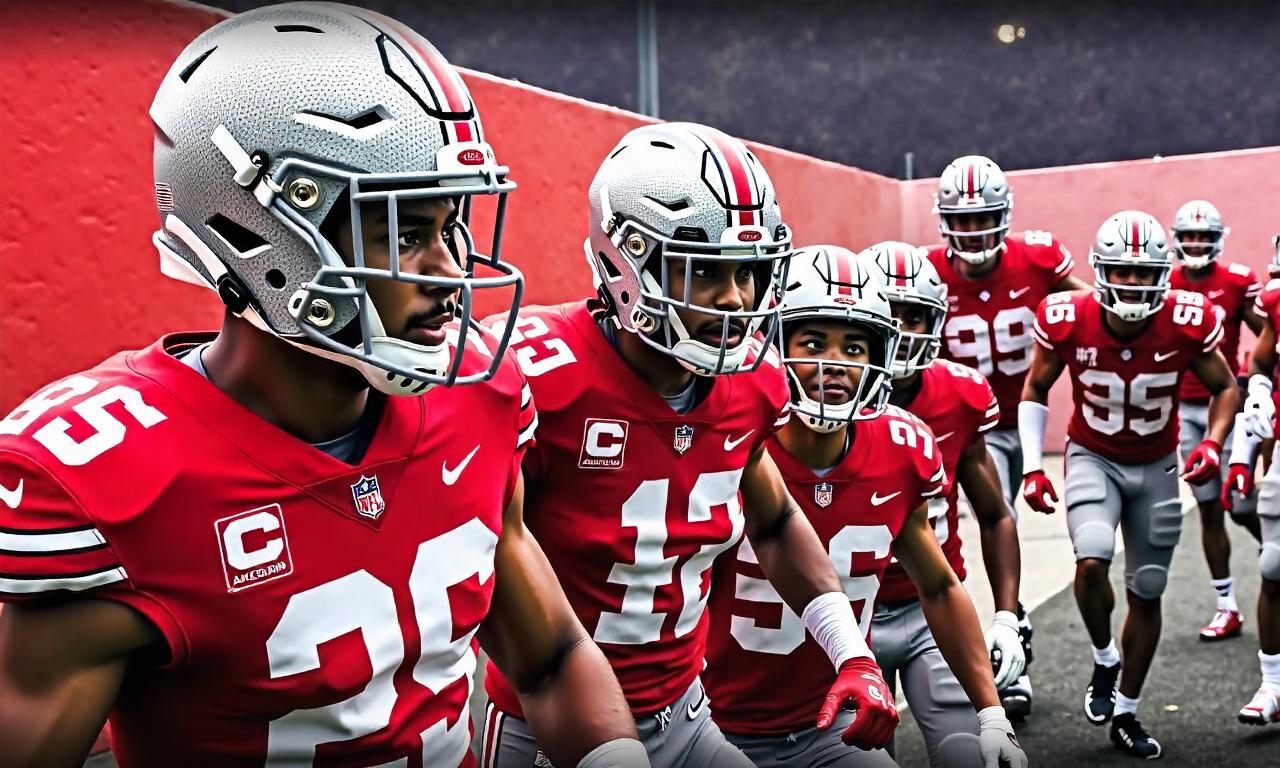
The world of sports is often defined by moments that capture the imagination of fans, whether it’s a thrilling college football showdown or an electrifying UFC event. This week, Ohio State Football made headlines by securing its place in the Big Ten Championship Game, while the UFC and Tigres – Cruz Azul matchup added another layer of excitement to the global sports calendar. These events, though distinct in their disciplines, reflect the universal appeal of competition and the passion it ignites in audiences. Let’s dive deeper into the stories behind these Ohio State Football, UFC, and Tigres – Cruz Azul moments. Ohio State Football’s Dominance in the Big Ten Championship Game The Ohio State Football team’s journey to the Big Ten Championship Game was nothing short of spectacular. As the defending champions, the Buckeyes entered the season with high expectations, but their path to the title was anything but guaranteed. The final showdown against Indiana was a testament to their resilience, as they overcame a formidable opponent to clinch the Big Ten crown. A Defining Moment for Ohio State Football In the Big Ten Championship Game, Ohio State Football faced off against Indiana, a team that had risen to prominence under coach Curt Cignetti. The game, held at Lucas Oil Stadium in Indianapolis, was a highly anticipated clash between two powerhouses. Despite being the No. 1 seed, Ohio State struggled to maintain their usual dominance, allowing Indiana to take control of the narrative. The turning point came in the final minutes when Ohio State Football’s kicker, Jayden Fielding, missed a critical 27-yard field goal attempt with 2:48 remaining. This error handed the ball to Indiana’s quarterback, Fernando Mendoza, who orchestrated a game-clinching drive. Mendoza’s 33-yard pass to Charlie Becker on third-and-6 was a masterclass in precision and composure. The play not only sealed Indiana’s 13-10 victory but also marked a historic moment for the Hoosiers, who secured their first Big Ten title since 1945. For Ohio State Football, the loss was a bitter pill to swallow, but it underscored the intensity of the competition. The game’s outcome highlighted how even the most dominant teams can be tested in high-stakes situations. Tactical Insights from the Ohio State Football Game The Ohio State Football team’s strategy in the championship game was a blend of aggressive offense and disciplined defense. However, their performance revealed some key areas for improvement. While the Buckeyes’ defense held strong for much of the game, their offensive line faced challenges in containing Indiana’s relentless rushing attack. The team’s ability to adapt quickly was evident in the final minutes, as they adjusted their game plan to limit Indiana’s scoring opportunities. Despite the loss, Ohio State Football demonstrated why they are one of the most storied programs in college football. Their experience and depth allowed them to remain competitive even when the game wasn’t going their way. The rivalry with Indiana has always been fierce, but this year’s contest took on an added layer of significance. For the Buckeyes, the loss to Indiana was a reminder that the road to greatness is paved with challenges, and that the Ohio State Football team remains a powerhouse in the Big Ten. The Impact of the Ohio State Football Victory While Ohio State Football fell short of the Big Ten title, their performance in the championship game left a lasting impression on fans and analysts alike. The game showcased the team’s ability to withstand pressure and deliver under the spotlight, qualities that will serve them well in future seasons. For Indiana, the victory was a milestone that redefined their program’s legacy. Their triumph over the No. 1 seed in the nation not only solidified their place in college football history but also set the stage for a potential College Football Playoff run. The Ohio State Football team’s journey through the Big Ten season was marked by close calls and hard-fought battles. Their resilience in the face of adversity highlighted the competitive nature of the league and the challenges that come with being a top-tier program. The game against Indiana was a culmination of their efforts, and though they didn’t walk away with the title, their performance will be remembered as a pivotal moment in the 2025 season. UFC 323: A Night of High-Octane Action and Championship Drama On the same night that Ohio State Football faced its biggest test of the year, the UFC delivered a night of action that kept fans on the edge of their seats. UFC 323, held at T-Mobile Arena in Las Vegas, featured a stacked main card with several high-profile bouts. The event was a showcase of skill, strategy, and heart, with fighters from around the world proving why the UFC remains the pinnacle of mixed martial arts. The Main Card Highlights The UFC main card was a highlight reel of technical prowess and explosive finishes. Among the standout performances was the highly anticipated rematch between Dvalishvili and Yan, which lived up to its billing. The fighters exchanged blows in a back-and-forth battle that demonstrated the high level of competition in the UFC. The bout, which ended with a decisive victory for Dvalishvili, was a masterclass in adaptability and endurance. Another memorable moment came from the middleweight division, where a dramatic submission finish showcased the finesse required to excel in the UFC. The event also featured a welterweight showdown that kept the crowd engaged throughout, with both fighters displaying exceptional technique and strategy. These bouts highlighted the UFC’s ability to deliver exciting, unpredictable action that resonates with fans globally. The Significance of the UFC Event The UFC 323 event was more than just a series of fights—it was a celebration of the sport’s growing popularity and the talent that continues to emerge within its ranks. The card featured a mix of veterans and rising stars, each bringing their unique style to the octagon. The UFC’s ability to attract top-tier talent and create compelling matchups ensures that fans have a reason to tune in, no matter the time